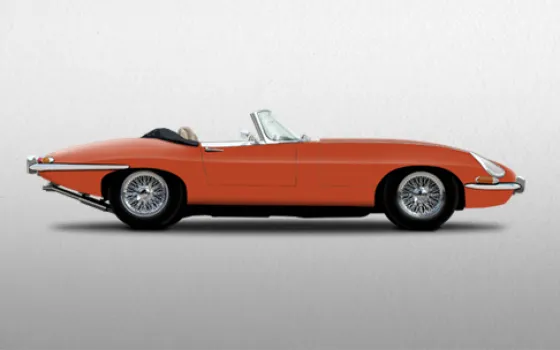
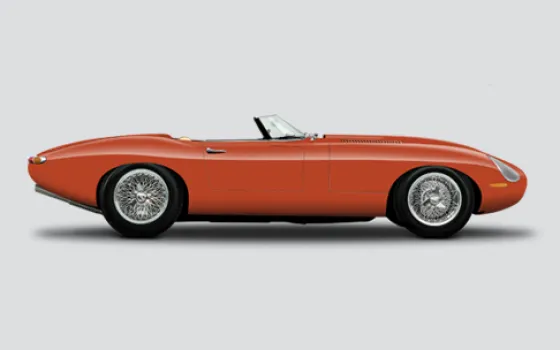
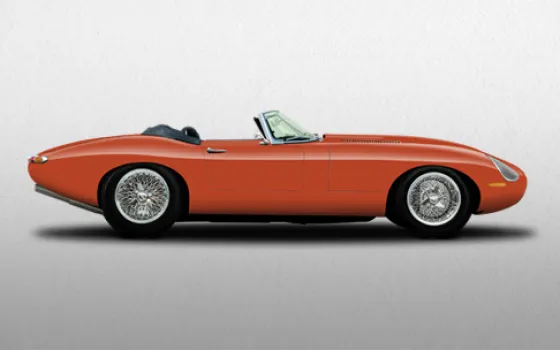
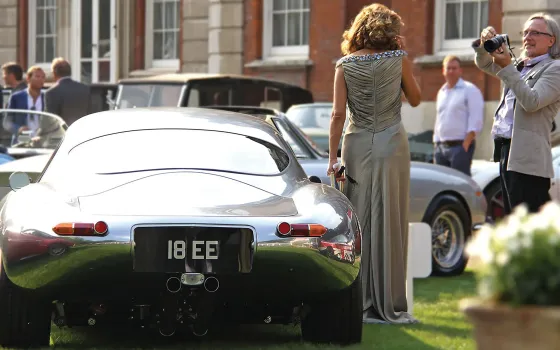

"Eagle’s Spyder GT has a silver-screen quality that makes you feel like you’re living in some perfect film of your own life."
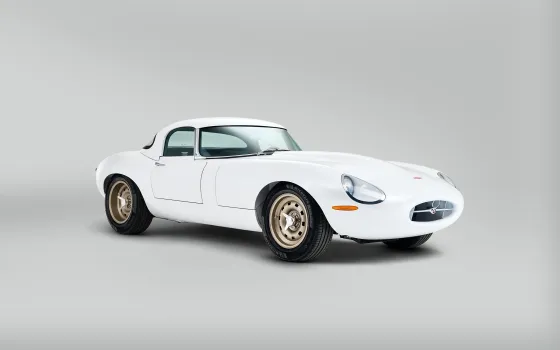
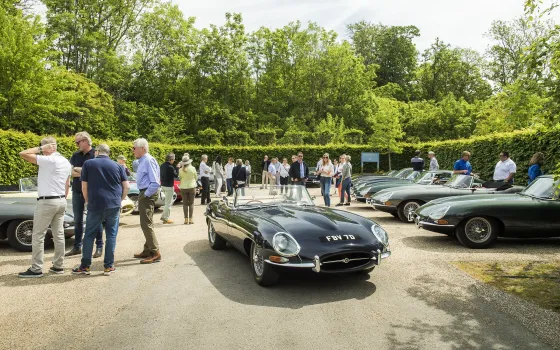
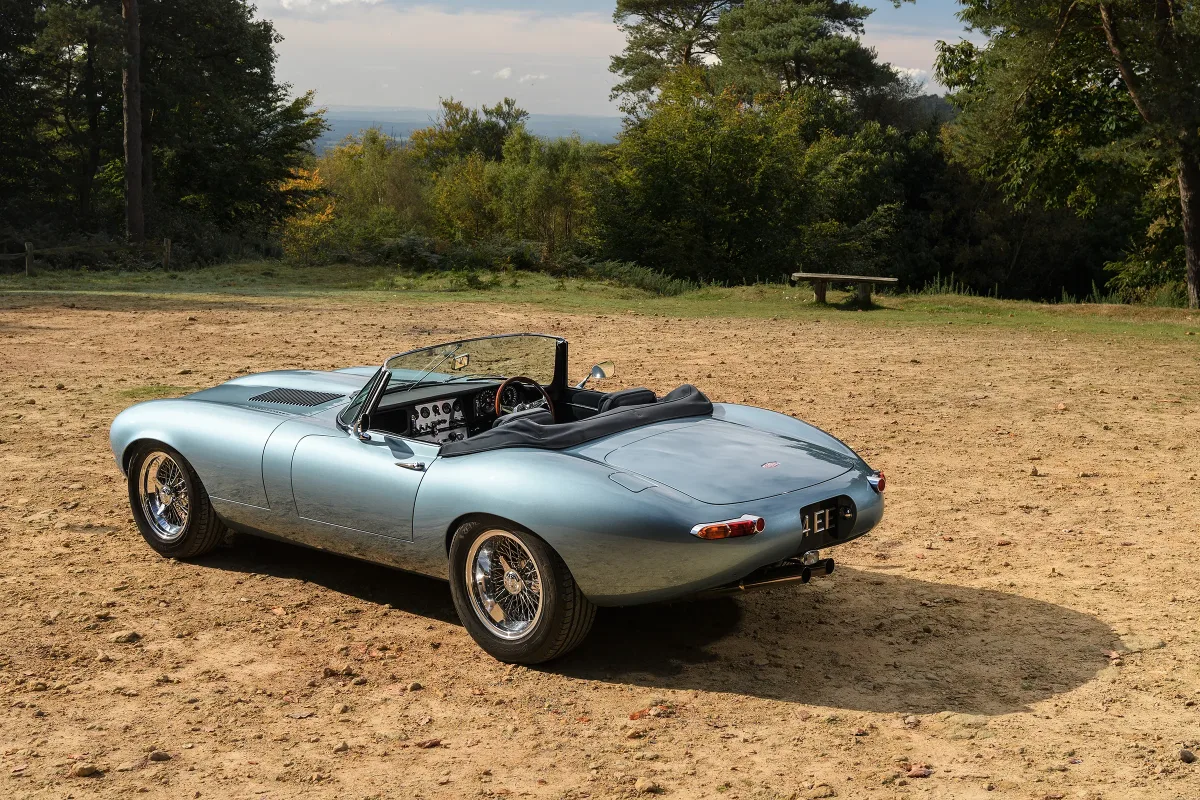
Say hello to Eagle’s fourth evolution of the Jaguar E-type – the Spyder GT. With stunning curves, effortless pace and open-air versatility, it might just be the ultimate in re-imagined classics.
The blaring sound from the twin exhaust pipes not only increases in volume, but also takes on the classic racing note of ripping calico.
It’s the sort of unfiltered mechanical rasp that you just don’t hear emerging from modern cars, and the hairs on the back of your neck stand to attention at the same rate the smile inevitably spreads across your face.
Release the catches and the bonnet tilts forwards exposing gleaming internals, like opening the lid on a treasure chest full of freshly minted silver. With the Spyder GT I feel like I could look at the pipes and billet cam covers and carburettors for hours.
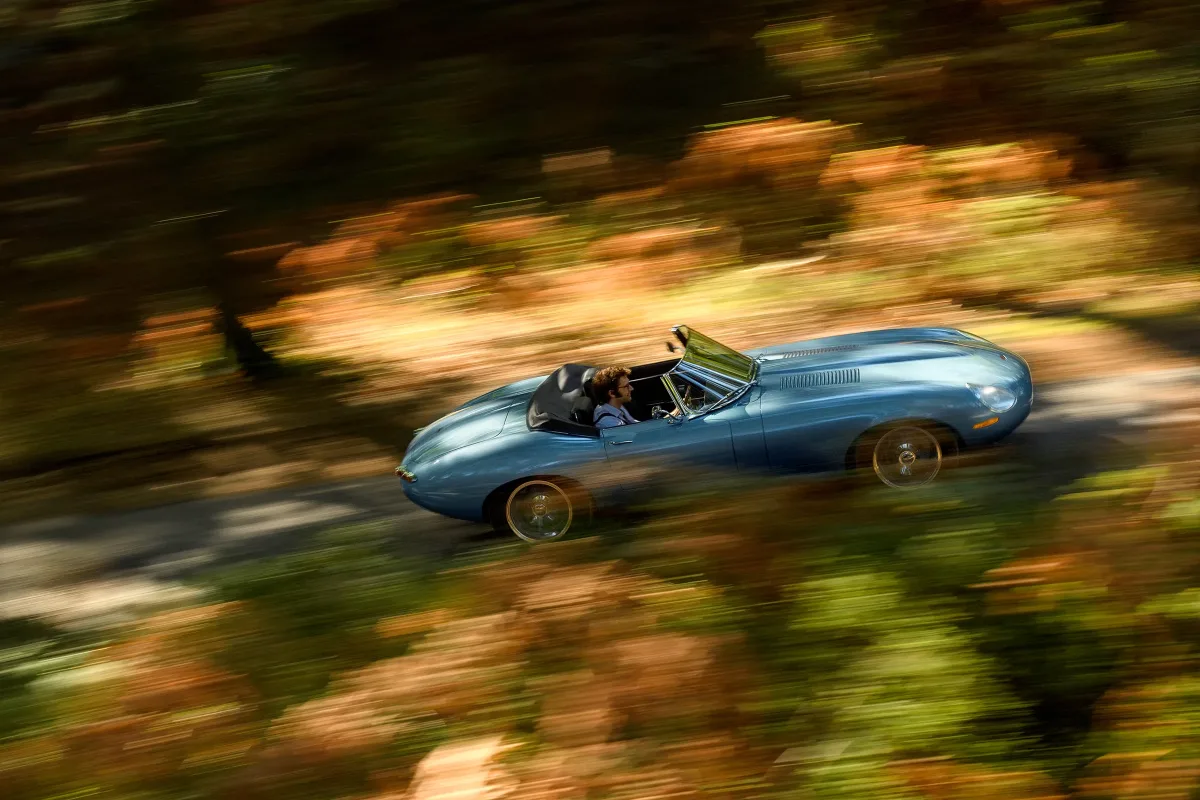
Sunlight is spearing through the tall pine trees and dappling the long, pale blue bonnet in front of me, mirroring the sky above. Released from the pressure to live up to temperatures associated with summer, the autumn air ruffling my hair and spilling into the cabin is fresh and clean.
Roots stretching beneath the road have ridged and rumpled the tarmac so that it resembles a grey blanket thrown across a lumpy duvet, and the Spyder GT’s steering wheel is keeping up a constant conversation with my hands as a result. It sounds almost too good to be true, but Eagle’s Spyder GT has a silver-screen quality that makes you feel like you’re living in some perfect film of your own life.
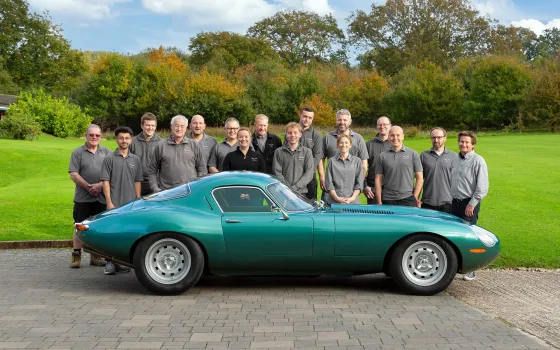
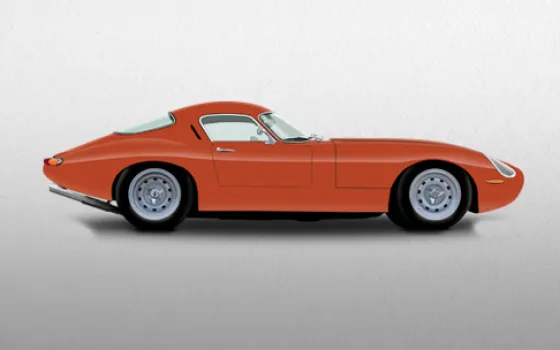
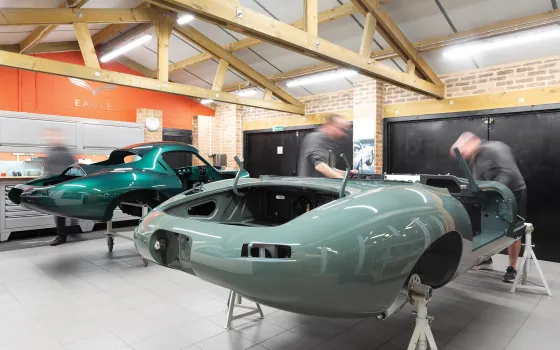
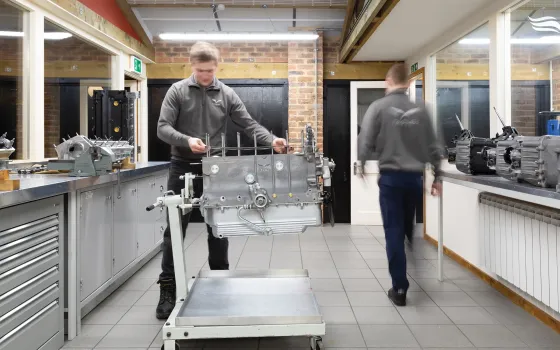
You’re probably aware of what Eagle is, but in case not, the short version is that the small East Sussex company is one of the best restorers of Jaguar E-types in the world. It fettles, replaces, reconditions and, if you want, updates and improves upon the original 1960s formula. The ultimate examples of its work are the special editions with new but sympathetically sculpted aluminium bodywork replacing the original steel. These started with the Speedster, which has emerged from the workshops in standard and lightweight specifications (featured in EVO 137 and 162 respectively). Up next, the Low Drag GT (EVO 195), a car more beautifully slippery than a soapy supermodel. And now we have the Spyder GT, which is closely related to the Speedster but has the added practicality of a roof as well as a few other updates and changes.
Paul Brace, who with Henry Pearman has masterminded Eagle, drove the Spyder up from Sussex this morning. We might have insured it for a cool £1 million, but that doesn’t mean it has to be treated like a crystal vase. It is designed to be driven and apparently owners really do use their Eagles on long European trips and even for commuting. Like taking part in falconry rather than just having an aviary. Brake, blip, shift down into second and turn the long nose into the rough, sandy car park we’re using as a base. As I pull to a halt, photographer Dean Smith asks me to inch back a bit, then forward the other way a fraction as he lines the car up for his Nikon. Once the car is in position, I flip up the central armrest and pull-release the fly-off handbrake concealed within. Then it’s a simple quarter anti-clockwise turn of the small key in the dash to quell the engine before swinging the featherweight door open and getting out over the relatively high sill.
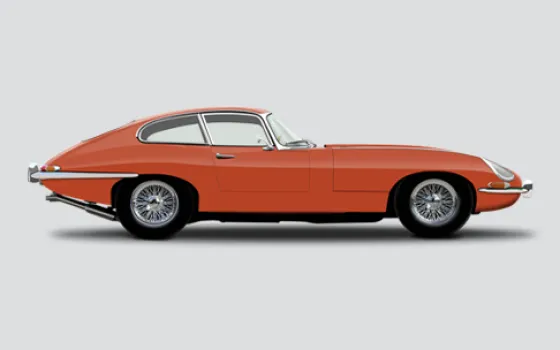
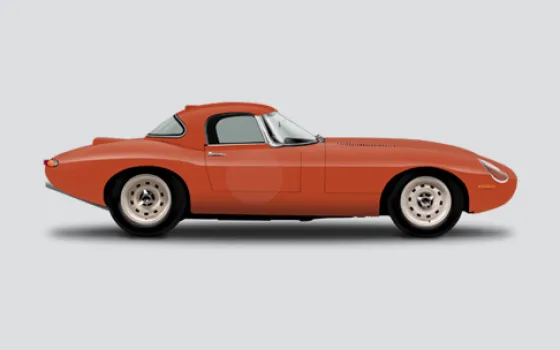
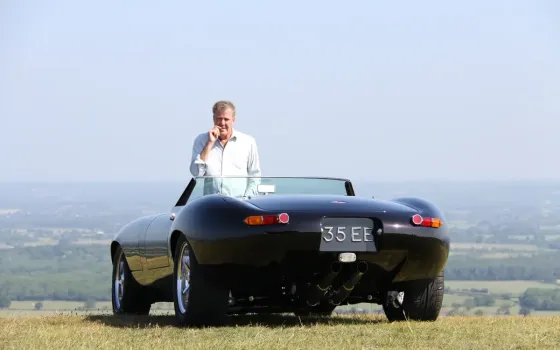
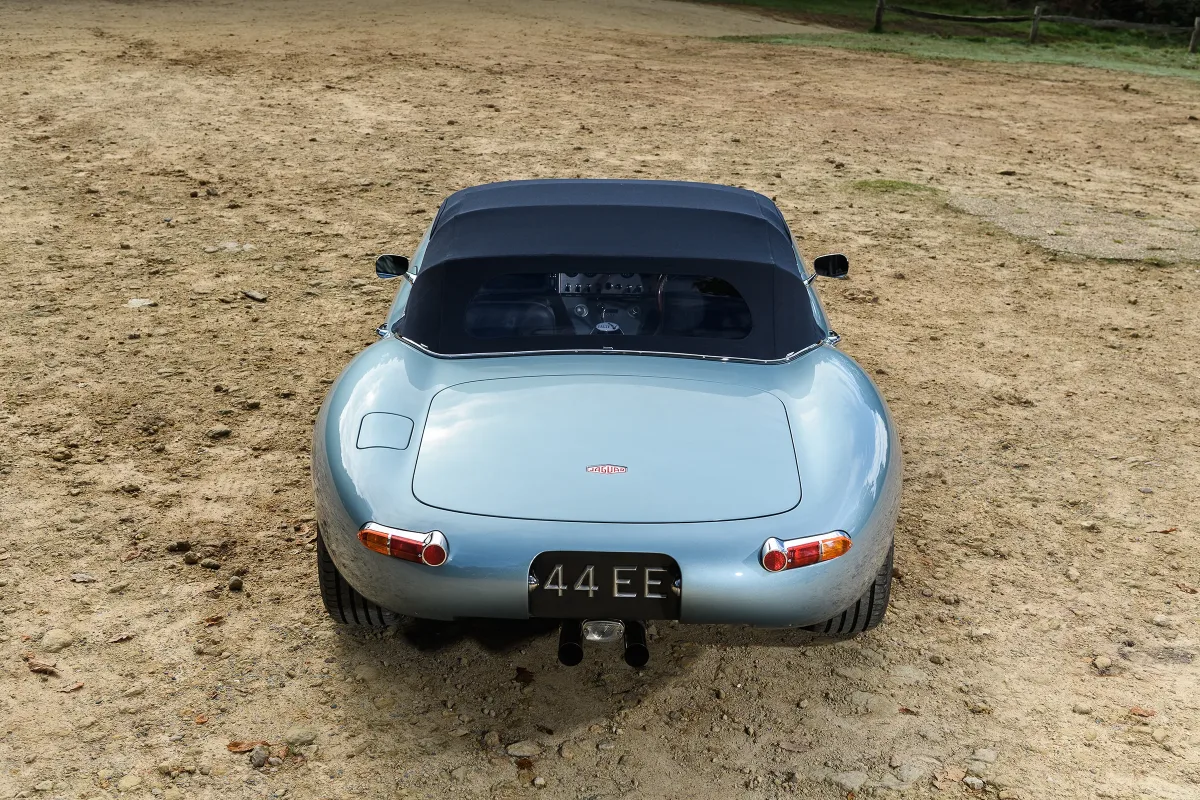
While Dean busies himself, I simply gaze at the shape basking in the sunshine in front of me. There really isn’t a bad angle on it, and I say that as someone who isn’t head over heels about the standard E-type. Study it and you notice that the rear arches are a little more bulbous and the tail seems to sweep up a little more quickly. The lack of seams smoothes the shape, too. Unlike the Speedster, this car has a normal-height windscreen, but it has been given a few degrees more rake, pushing the base of the glass about five inches further away from the driver. This not only imparts a sleeker appearance, but also means just two rather than three windscreen wipers can be fitted. Unlatch the leather tonneau (the owner of this car requested to have leather rather than the usual mohair), unfurl the fabric roof and you might notice that the canopy has had an extra spar added, in order to improve the shape subtly.
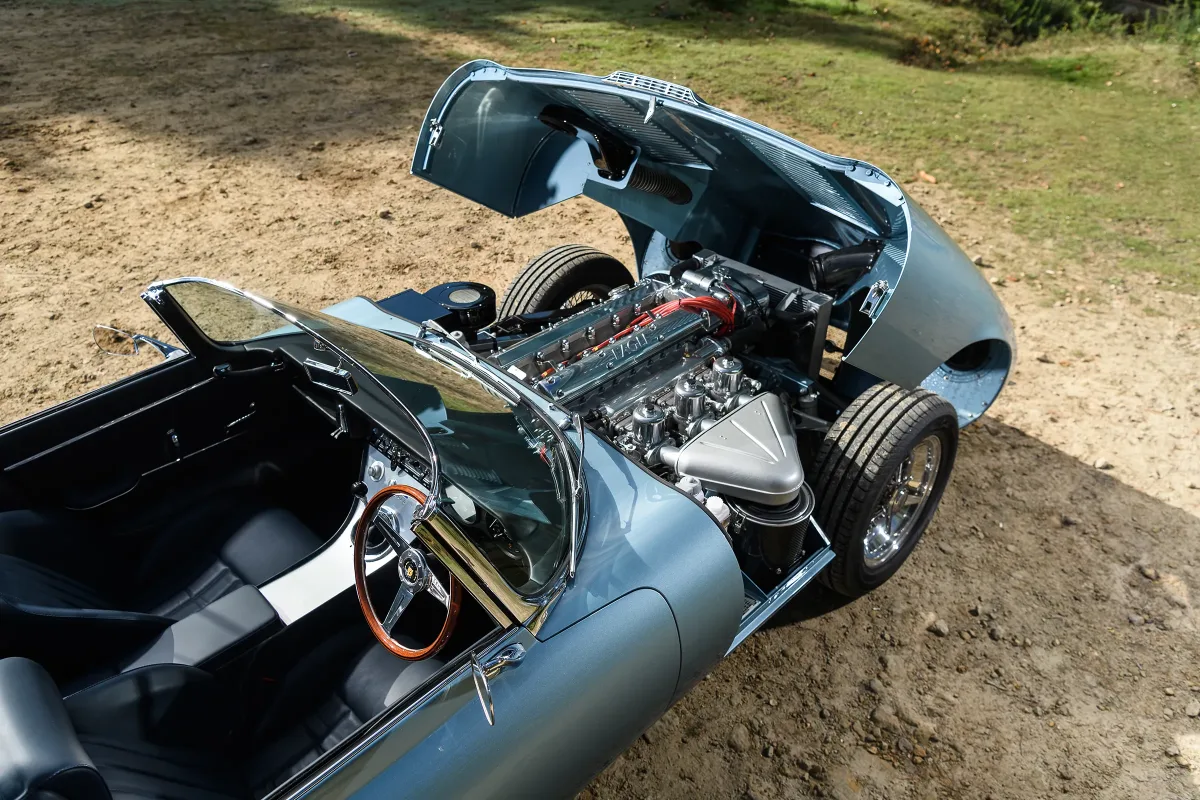
Release the catches and the bonnet tilts forwards exposing gleaming internals, like opening the lid on a treasure chest full of freshly minted silver.
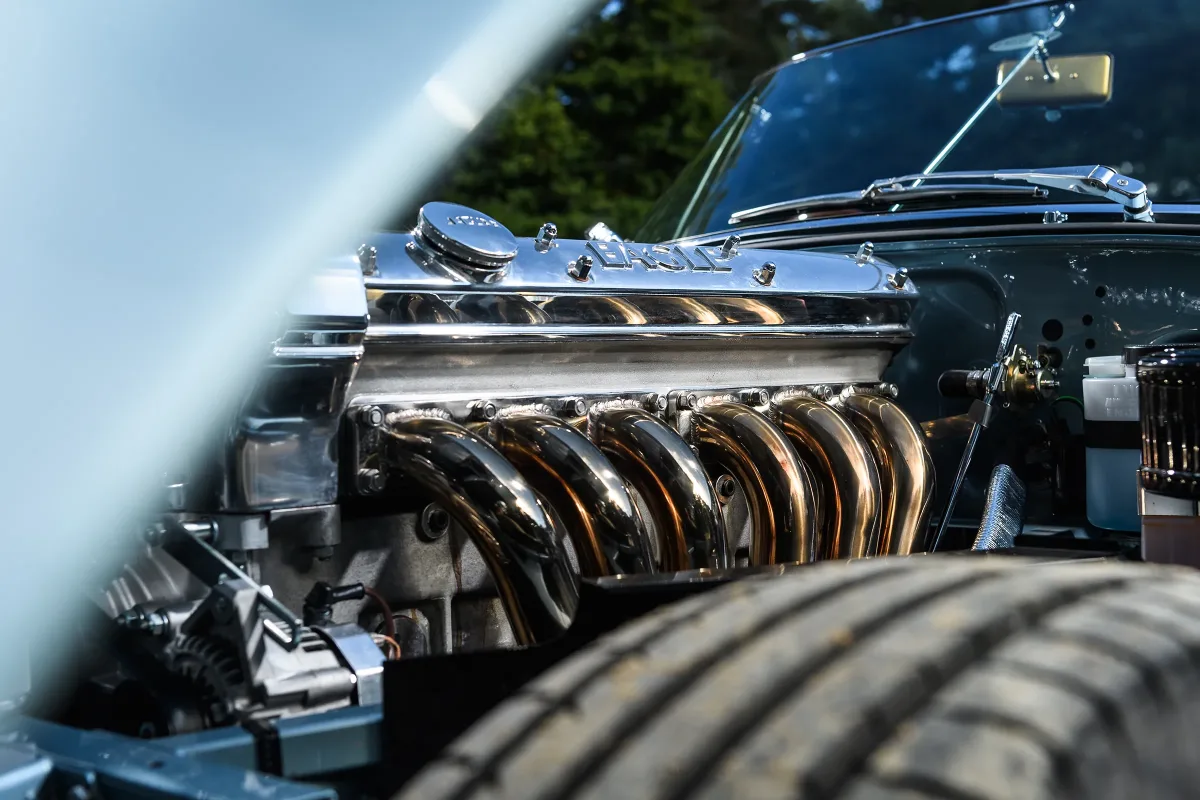
These days we generally open the bonnet of a car (if it has one), take a quick reference photo, perhaps note how far forward or back the engine is mounted and then close it up. There’s nothing to see. With the Spyder GT I feel like I could look at the pipes and billet cam covers and carburettors for hours. The view is so much more complex yet more mechanically understandable than in modern cars.
The engine is Eagle’s all-aluminium 4.7-litre straight-six. If we could peer inside then we’d see a bespoke billet crankshaft, special rods and new forged pistons. The gearbox is also cast in aluminium instead of steel, while other lightweight options include a magnesium diff casing, magnesium rear uprights, tubular driveshafts and tubular lower rear wishbones. Currently there is a 2.5-inch stainless steel exhaust, but a titanium version is on the way. Power stands at 330bhp at 4800rpm, while the torque figure is 340lb ft at 3600rpm – enough for 0-60mph in under five seconds.
The first Speedsters ran Reiger dampers but the Low Drag and now the Spyder have switched to Öhlins. These work in conjunction with the rest of Eagle’s sports suspension setup to give the car distinctly more control. Braking is taken care of with an oversized servo powering AP discs and calipers. Despite the rear discs being mounted inboard, Paul says they seem to stand up well to hard use without overheating. After almost every angle has been committed to memory card, we discuss what to do next. As the Spyder needs some fuel, we agree that I should go and fill it up and then meet Dean and Paul at another location, giving me a chance for a proper drive. I post my legs in underneath the big wheel with its special enamel badge, twist the key, press the starter button and enjoy feeling carb-fed cylinders come to life.
This first Spyder is quite tall-geared, as the owner (who hasn’t driven it yet) wants it for touring. As a result I find myself naturally settling into the sort of flow where you change up relatively early, using the torque to pull easily through the first few thousand revs. Weighing just a smidgen over 1000kg dry, the Spyder always feels eager and strong because the response to the throttle, even at relatively lazy revs, is instant. It’s the same story with the middle pedal, which has much more power and solidity underfoot than you expect in something with 50-year-old foundations.
You can enjoy pottering slowly through villages and meandering down narrow lanes because the weight of the steering (unassisted here, but speed-sensitive electric assistance is an option) and the sound of the engine make you feel involved even at lowly speeds.
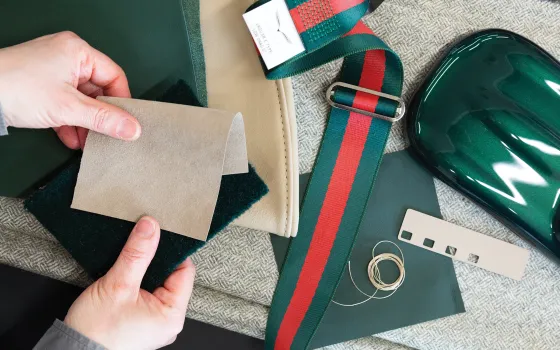
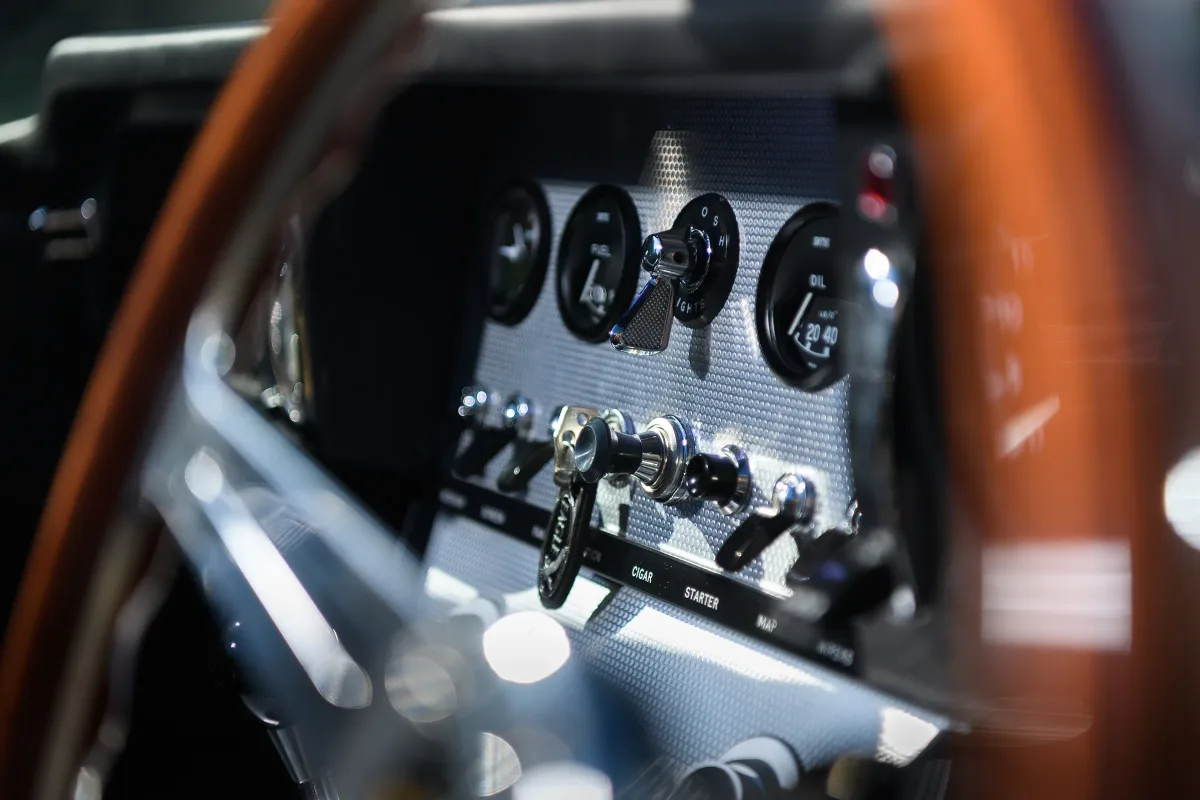
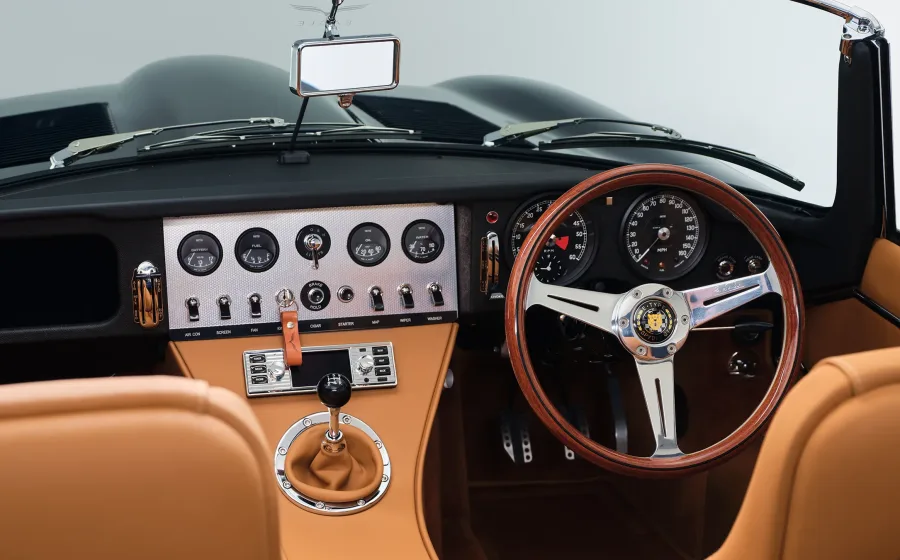
And let’s face it, the interior of the Spyder is just a lovely place to be – you sit snuggly amongst the sweeps of machined aluminium with a view out over that long bonnet.
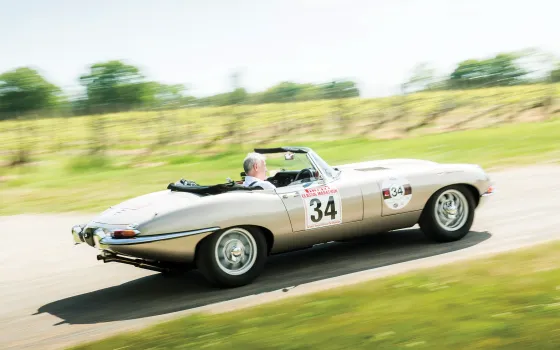
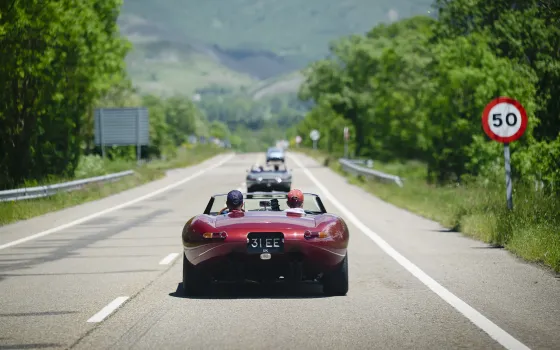
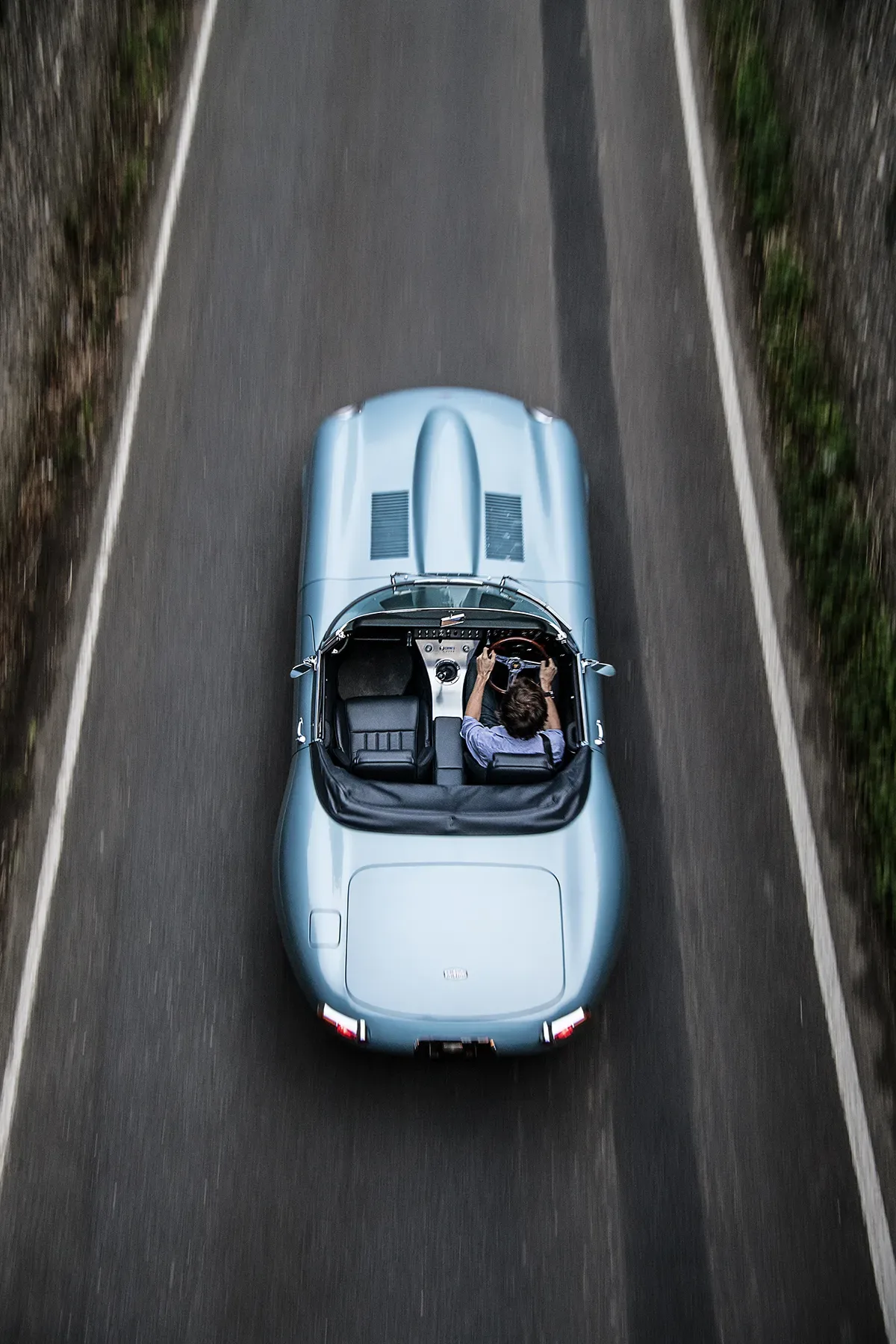
I’m a big fan of driving without a roof above me. It means you can hear all the noises much more clearly, whether they are from the exhaust, tyres, brakes or just the change in air pressure with speed and proximity to buildings, hedges and walls. You also tend to take more interest in the world that you’re travelling through, feeling a greater connection to the people and places that you pass. And at the end of a drive the sheer invigoration of having been exposed to the elements leaves you with a rewarding bodily sense of fatigue.
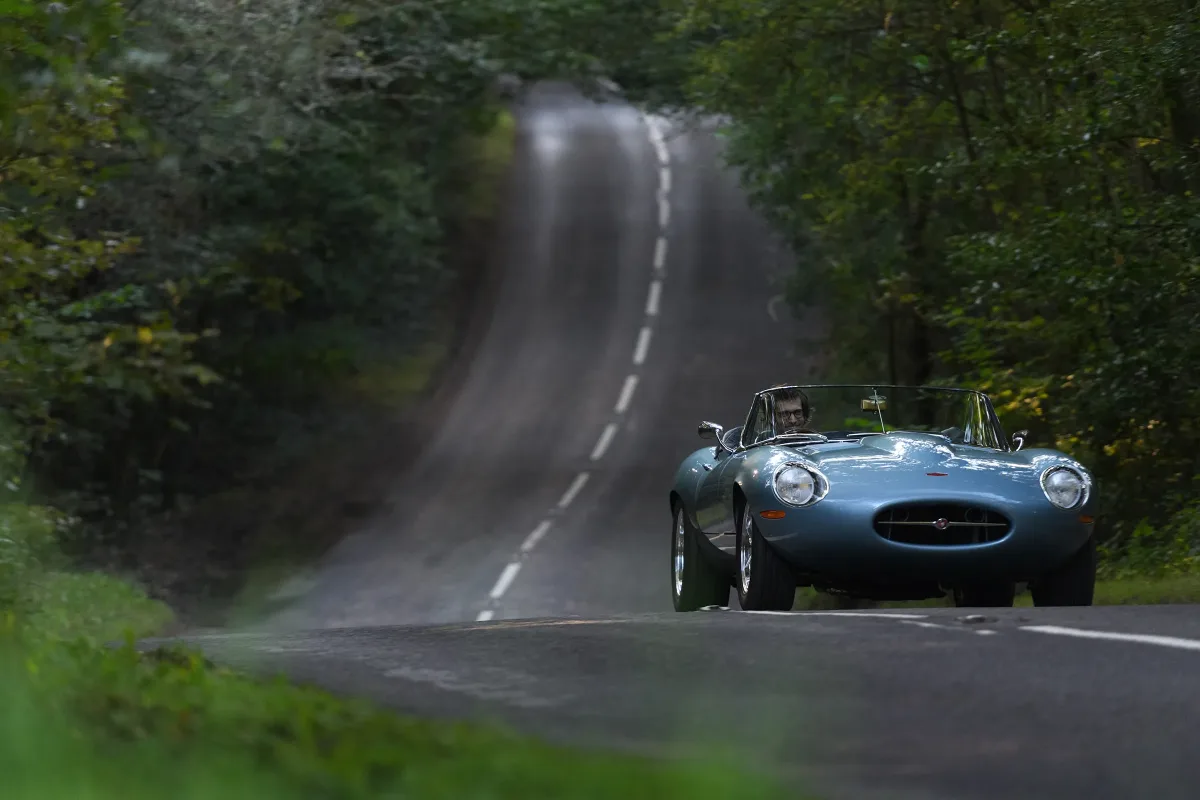
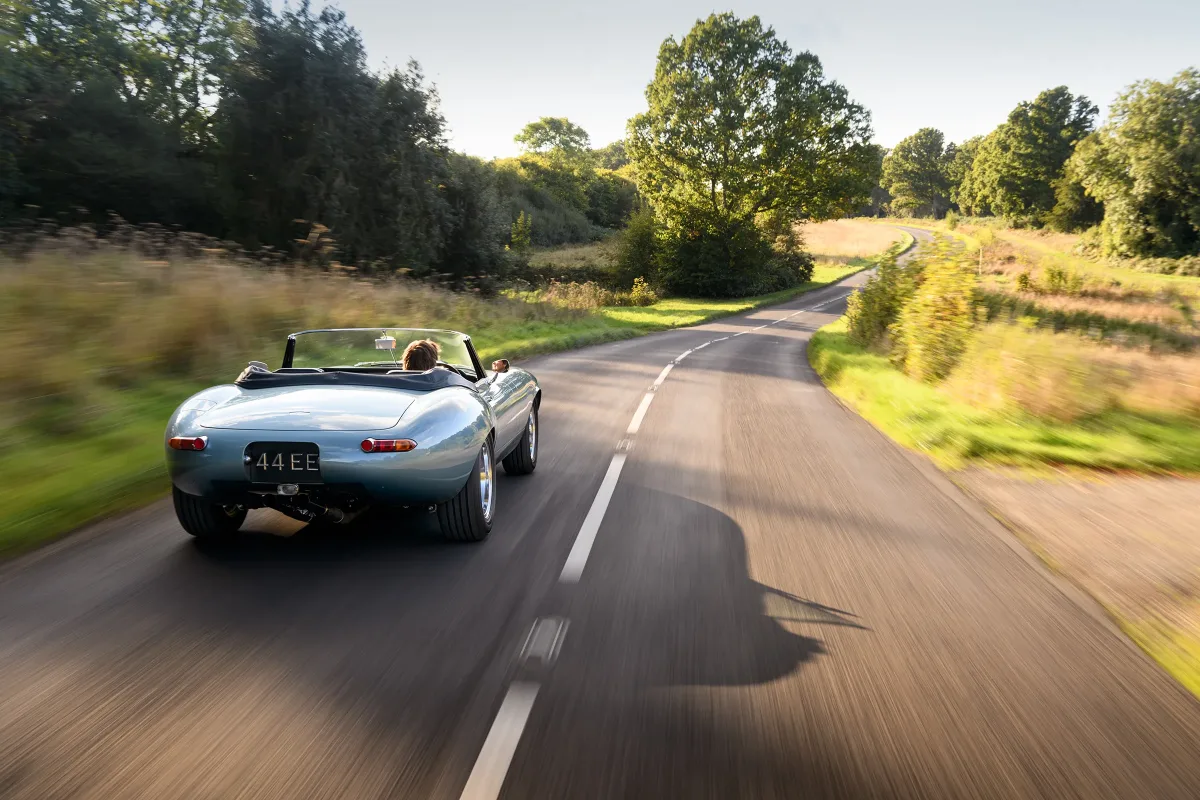
Turning out of the trees and onto a wider road, there’s a chance to really stretch the Eagle’s legs.
Hold on to second gear, push past your previous change-up point and the straight-six suddenly develops a whole new character. The blaring sound from the twin exhaust pipes not only increases in volume, but also takes on the classic racing note of ripping calico.
It’s the sort of unfiltered mechanical rasp that you just don’t hear emerging from modern cars, and the hairs on the back of your neck stand to attention at the same rate the smile inevitably spreads across your face. Holding on for 5000rpm might not seem like much, but it sounds and feels it. Up to third and enjoy it all again.
With more pace the Spyder seems to settle dynamically, too. Pottering around at lower speeds, the damping feels firm and the steering still quite heavy, but as you push on, so the dampers come into their own and the steering lightens until the whole car suddenly feels at ease with itself. It’s the same tangible shift when slicks switch on or muscles have loosened up halfway into a run. This is a car that enjoys being driven quickly with load going through the suspension.
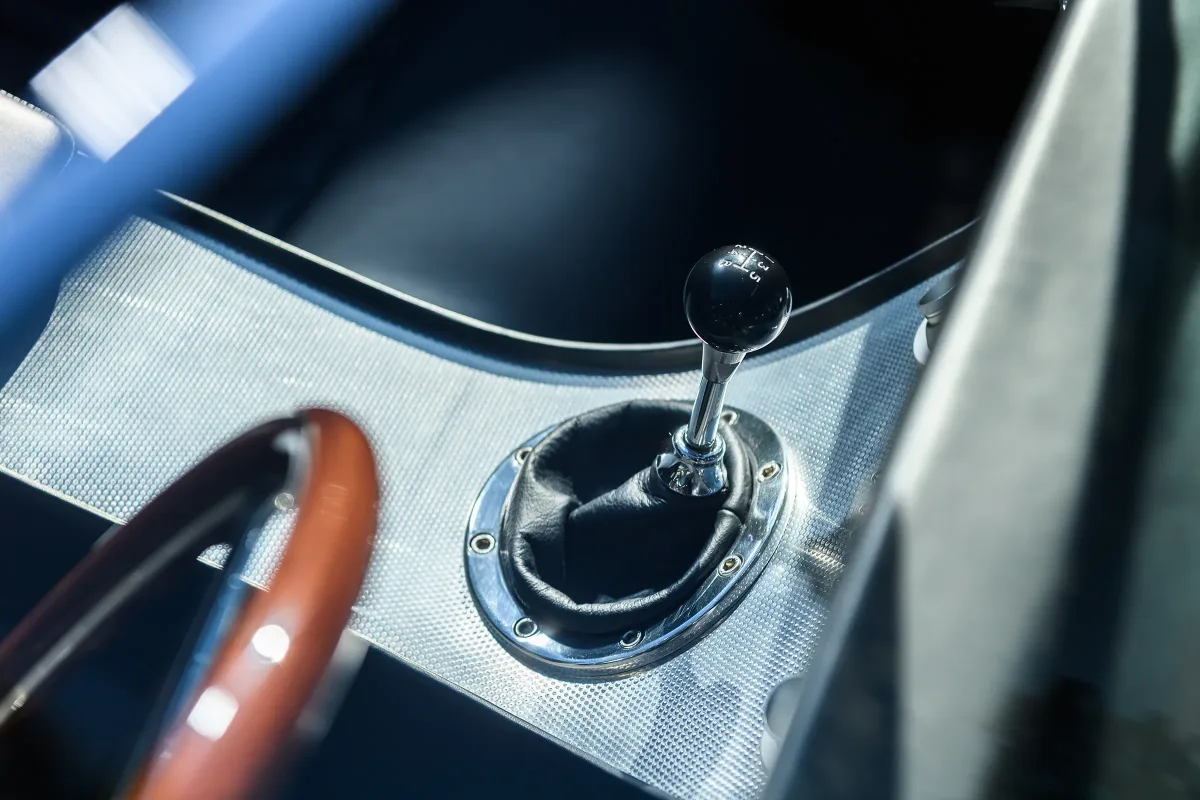
The surprising thing is how direct and easy to place it is. Most cars with a thin, wooden-rimmed steering wheel can feel a little flimsy, but the Eagle has such a solid sense of connection and so little slop around the straight-ahead that you feel much more confident pushing it hard. If you’re not used to it, then the spindly wheel, with its polished surface and flat metal spokes that push into your thumbs, can feel like a curiously hard thing to grasp compared with chunkier modern wheels, but the lack of dilution via any squidgy foam or even leather means it’s wonderfully uncorrupted. There’s surprisingly little roll, too, so the chassis responds and settles quickly as you point the distinguished nose into corners. Just as precise is the gearshift. It’s not a shift you feel that you can rush, but equally it’s not ponderous and it’s lovely feeling the varying pressure of the dinky black sphere that sits neatly in your palm as you push it across the gate.
A flick of the spindly indicator stalk and I dive off left back amongst the trees. This time there are more oak and beech providing the canopy, while high earth banks either side have roots wriggling through them like veins in the back of a hand. The natural tunnel-effect magnifies the terrific sound of the engine and, despite the road’s meandering, there’s a clear enough line of sight to keep the throttle pinned through a couple of upshifts. Then it’s hard on the brakes, down a gear and steer the Eagle with both wheel and pedal as the tarmac chicanes right and left for no apparent reason.
I keep driving and Dean keeps pressing the shutter release until the light softens and evening begins closing in. If Paul didn’t need to get home it would be tempting to press on into the night and see how darkness magnifies the music. But we have to call it a day somewhere, so as camera kit gets packed away, I reluctantly come to a stop one last time.