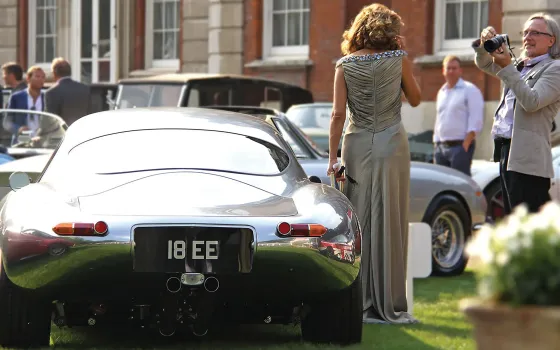

From the moment the E-type prowls away from rest, it’s obvious that this is a car that has been comprehensively sorted
Classic Car Weekly drives Eagle No.1 and discovers that it is the only E-type you’ll ever need.
Classic Car Weekly / 10th May 2010
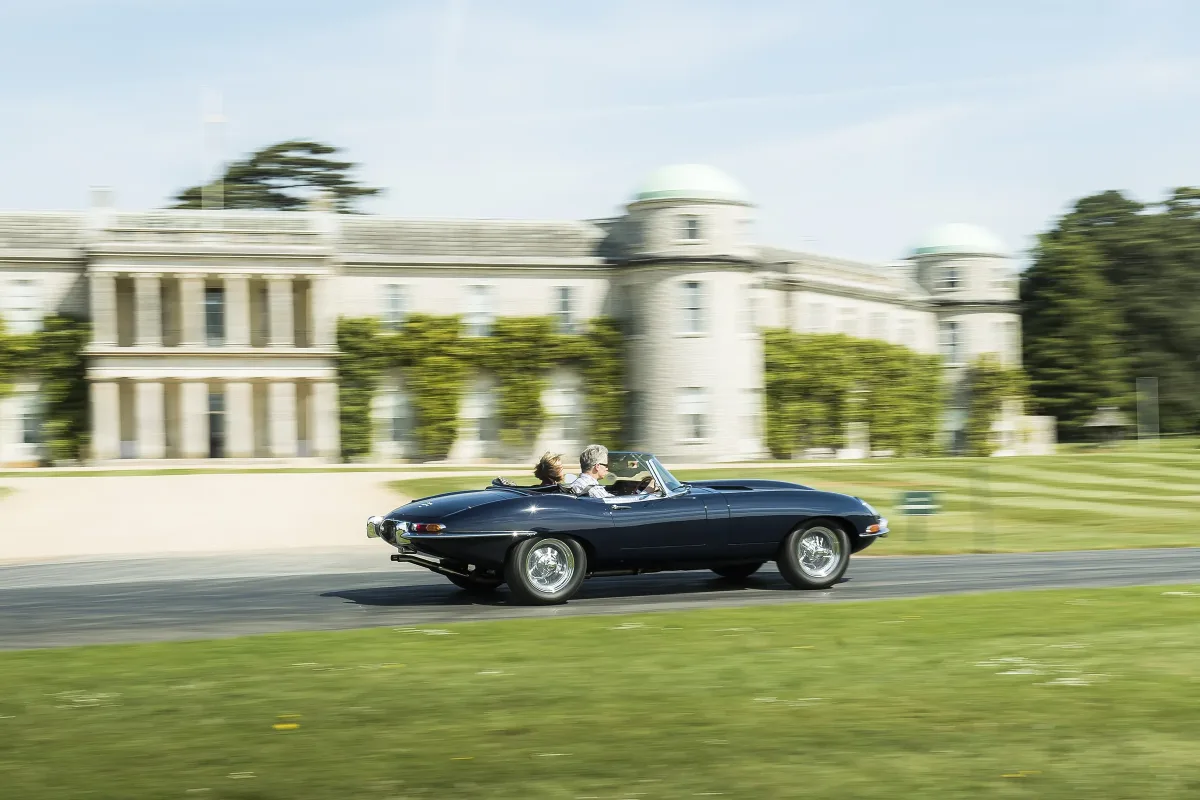
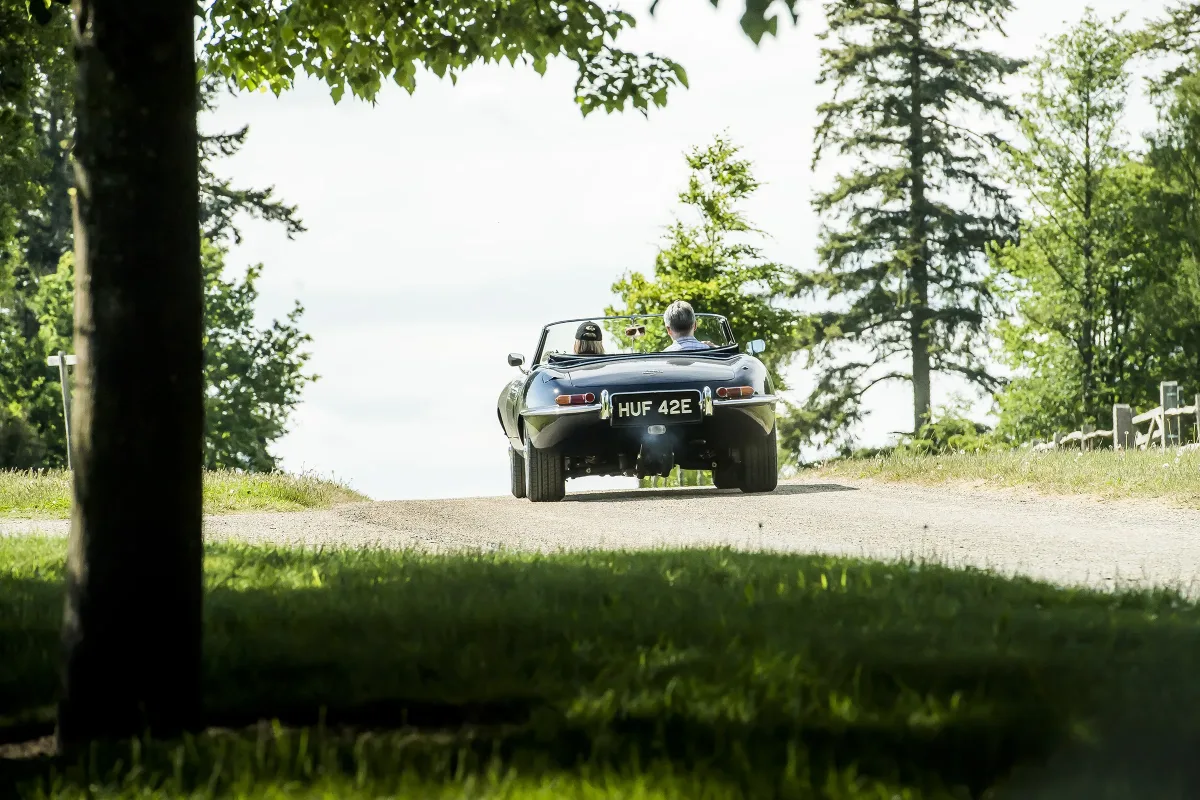
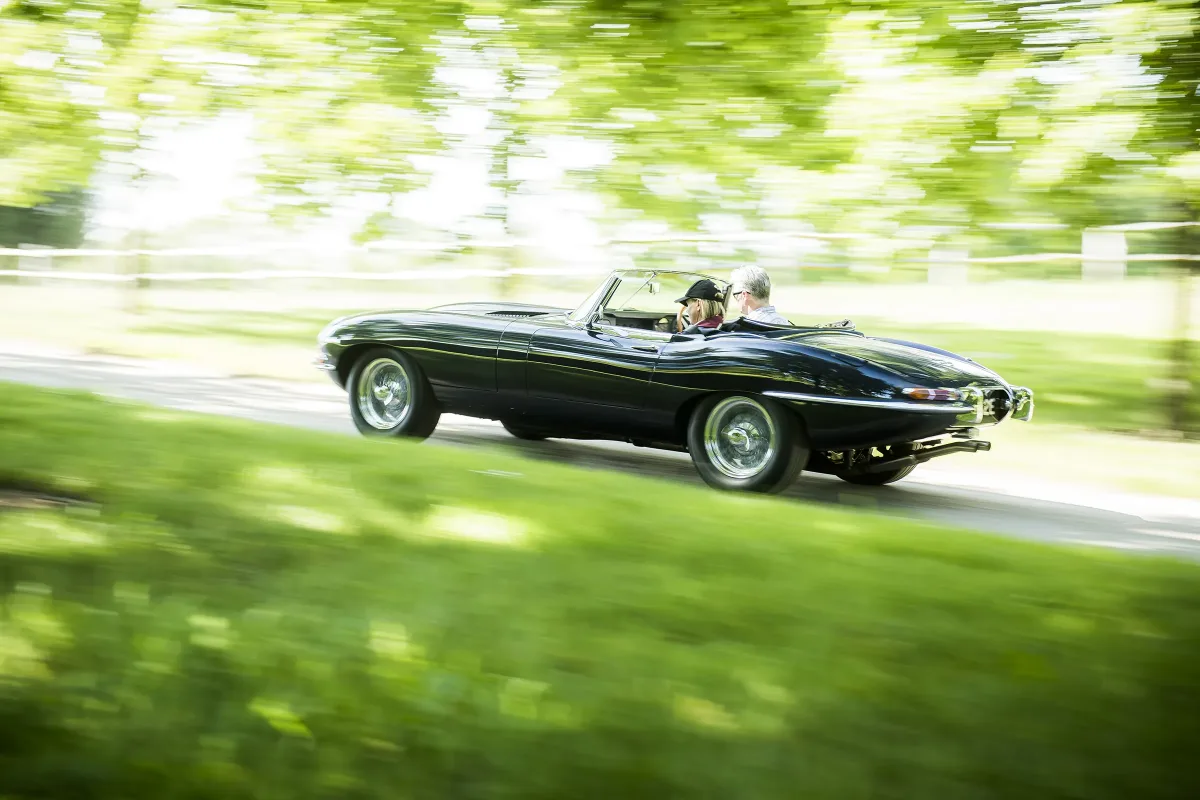
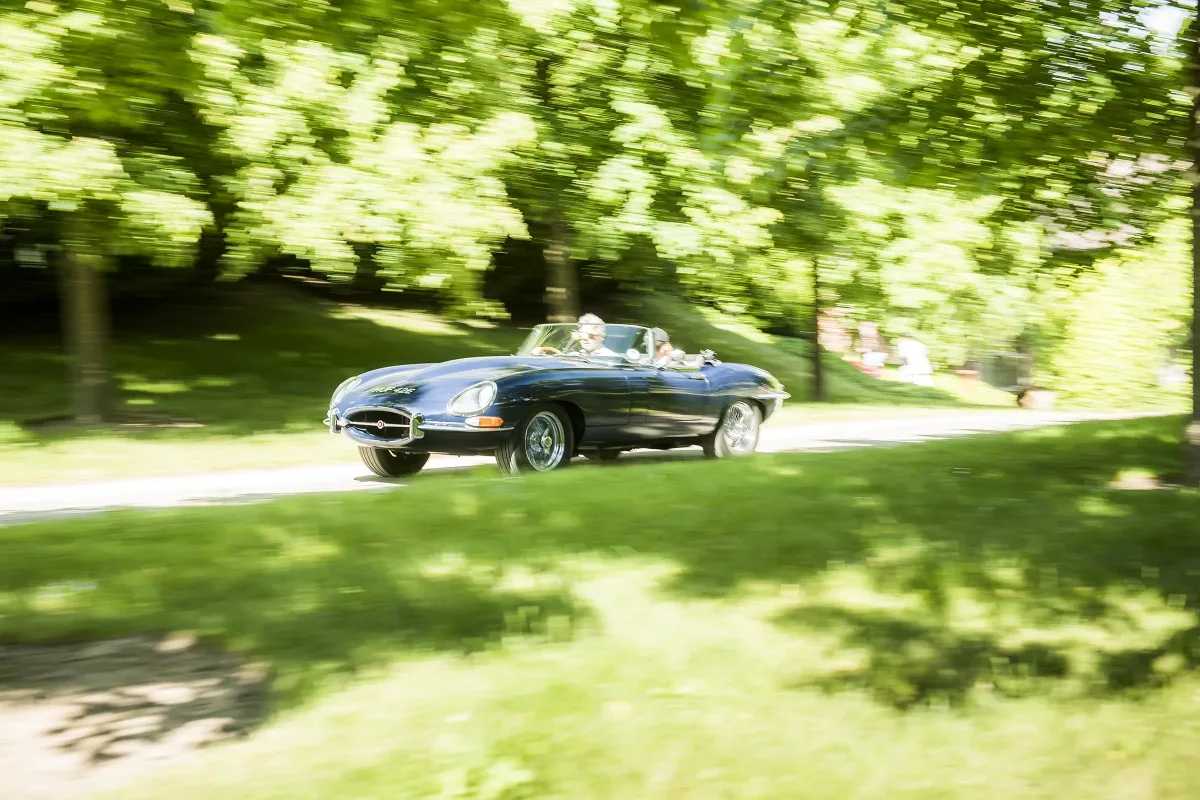
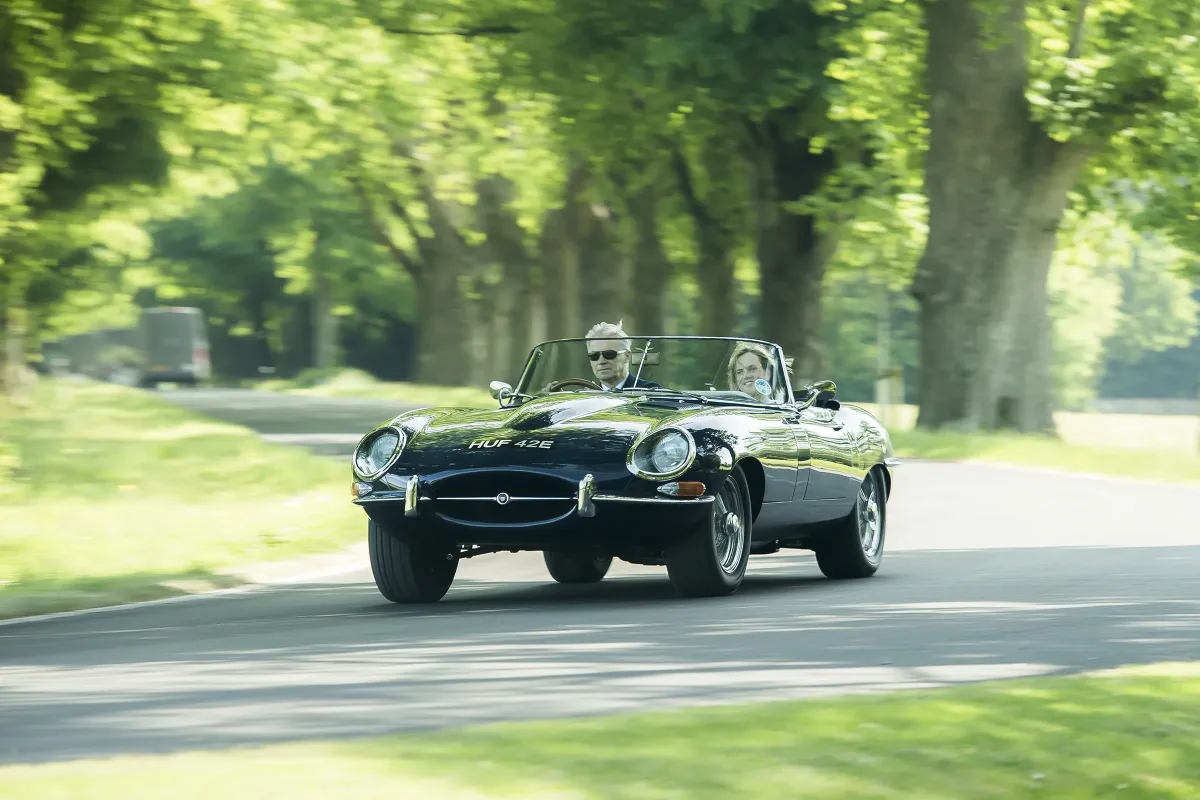
Nothing quite beats a starter button to fire up an engine; there’s far more of a sense of ceremony to it than just turning a key. Especially when that push is answered by the throaty roar of one of the best British sixes ever built.
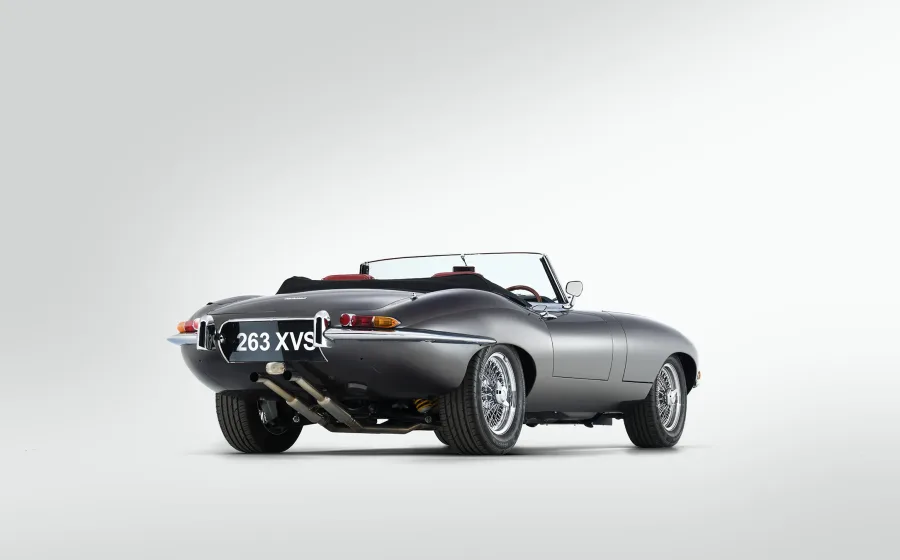
On the outside, there’s that heady rush of wind, the whirr of the engine sucking in air and its components working, and that distinctive exhaust throb from behind, rising and falling in pitch with each movement of your right foot.
The only E-type you’ll ever need? Richard Gunn drives Eagle No 1, the first totally rebuilt Jaguar from the company that builds them better than new.
Impressions
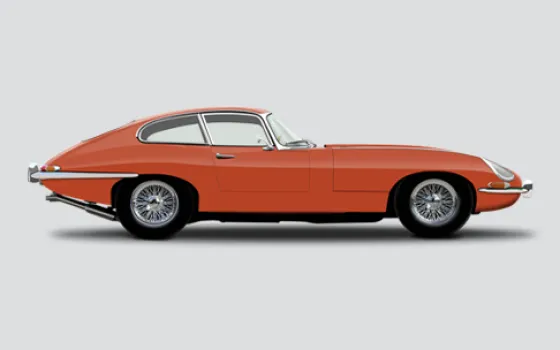
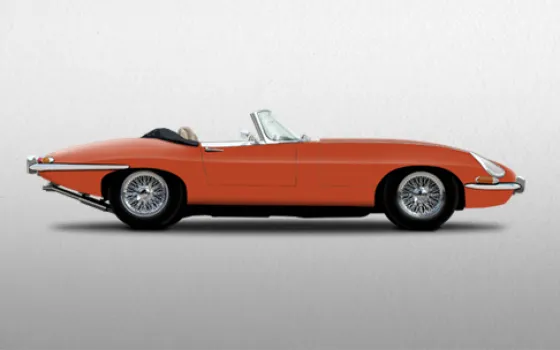
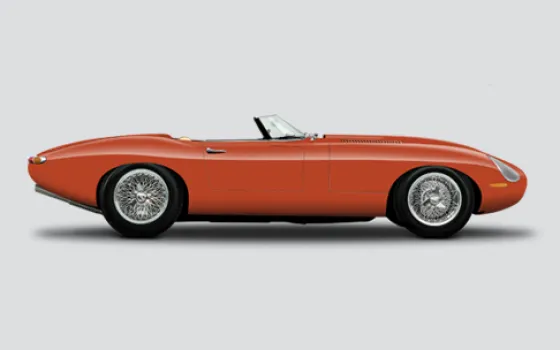
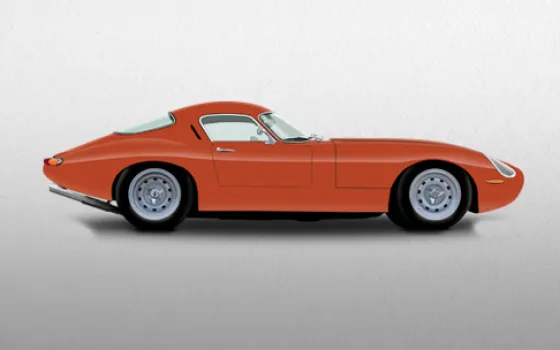
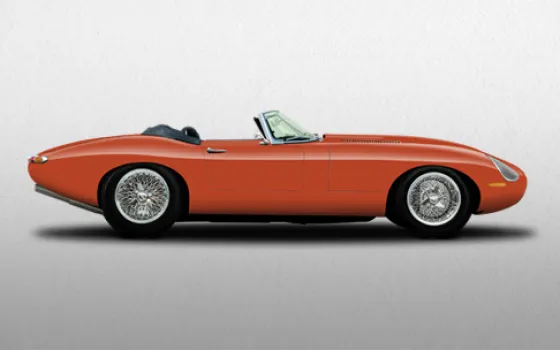
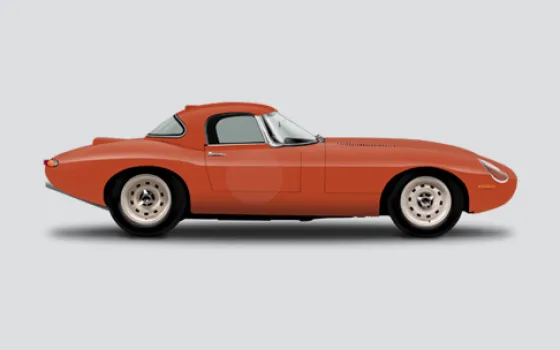
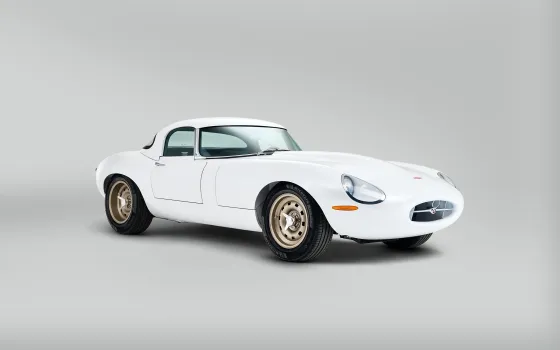
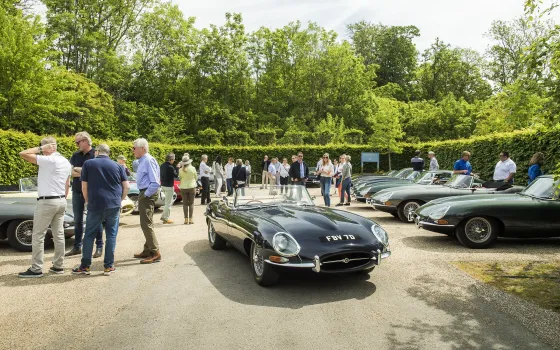
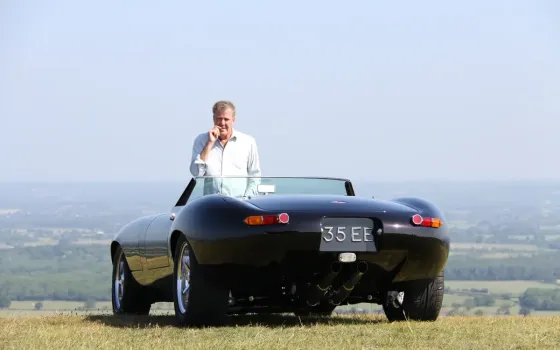
From whichever angle you look at an early E-type, it’s stunning. Whatever might have happened to later E-types in the name of progress or safety, this Series 1 car, in its subdued shade of dark reflective blue, is the real deal: pure and unadulterated in its sculptured lines and the way its metal body looks almost fluid as it undulates back from that long, determined nose. Total automotive art.
The bonnet, with its two grilles giving a hint of sparkling engine beneath, is secured by two hook-shaped pull handles on the interior A-pillars. Pull them and the entire curved front of the car can be tipped forward to reveal the impressive XK unit underneath, framed on one side by chromed headers and on the other by triple SU carburettors. It seems an impressively simple installation for something that was at the forefront of sports car technology when new.
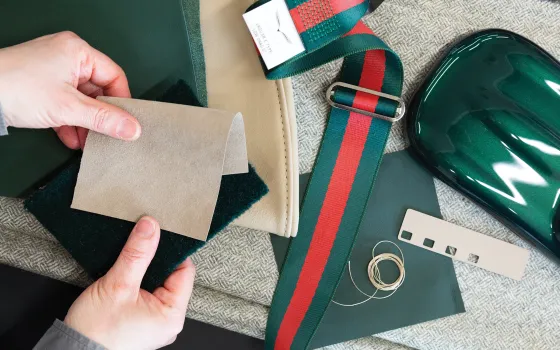
Inside – once you’ve clambered over the vast sills which must have caused problems for the mini-skirted dollybirds often seen entering and exiting these cars in the Sixties – the thicker-than-standard Eagle tan leather seats are very supportive and enveloping. And they hold you in exactly the right place to survey the neatly ordered, aviation-inspired collection of gauges and switches that make up the welcoming, close-fitting and comfortable interior.
On the road
Nothing quite beats a starter button to fire up an engine; there’s far more of a sense of ceremony to it than just turning a key. Especially when that push is answered by the throaty roar of one of the best British sixes ever built.
From the moment the E-type prowls away from rest, it’s obvious that this is a car that has been comprehensively sorted. The first indication of how different things are is in how easy it is to shift through the gears. E-type transmissions are often notchy and stiff even at the best of times. But not this one: it’s delightfully simple to snick rapidly through the gate, and while the short-throw directness is still there, the usual agricultural feel of the gearbox is completely absent. However, it doesn’t manage to feel bland and boring either; you’re still well aware that the cogs you’re stirring are far from modern.
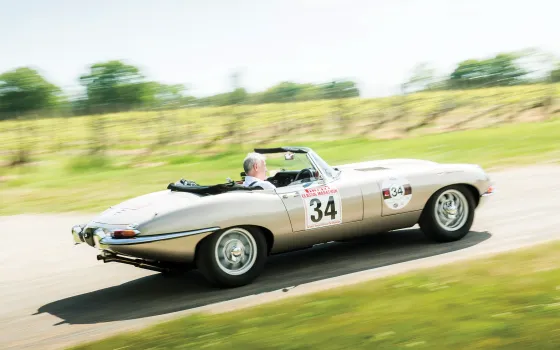
Conspicuous by their absence are the usual rattles, creaks and squeaks that most original convertible E-types noisily broadcast. This Jag feels rock solid; not even the bumpy country roads of the rural test route where Eagle tries out all its cars can elicit a groan from it. This is despite the fact that there’s still some scuttle shake over potholes – minimal, admittedly, but as with any convertible, old or new, it’s still there. Yet this E-type stays quiet no matter what. At least on the inside... On the outside, there’s that heady rush of wind, the whirr of the engine sucking in air and its components working, and that distinctive exhaust throb from behind, rising and falling in pitch with each movement of your right foot.
“At higher speeds... the Eagle is like a wild animal on a leash”
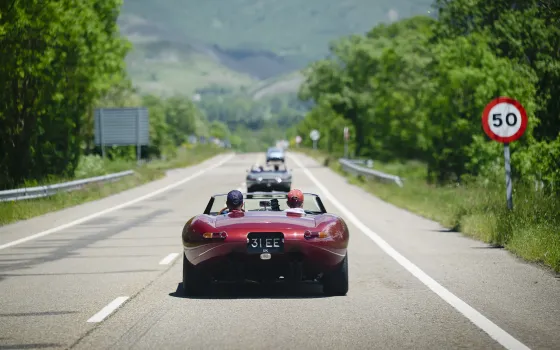
Unlike their saloon counterparts, these Jaguars are rarely happy pottering around town at low speeds. Their raison d’être is the open road at high speed, which is where they give their best. Even in top gear, this transformed E-type is domesticated and compliant, content to go down as low as 20mph in fourth. The flexibility of the Eagle is what happens when you accelerate rapidly; it picks up well in top and the revs remain happily low, thanks to a high final drive.
At higher speeds, with the back hunkered down and that long, long bonnet stretching ahead and raised slightly, the Eagle is like a wild animal on a leash. It’s straining to be let go, but the Sports Suspension package has transformed the Jaguar’s occasionally wayward, tail-happy handling. It stays planted and predictable through bends, while on some sweeping S-bends, it demonstrates a poise that drivers of the Sixties could only have dreamed of. It’s difficult to push the car beyond its limits, but if you do, the sharp brakes bite quickly and deeply. This is a lot of car to stop, but it has a lot of brakes – vented and cross-drilled, with alloy calipers – to do so.
The Eagle has landed
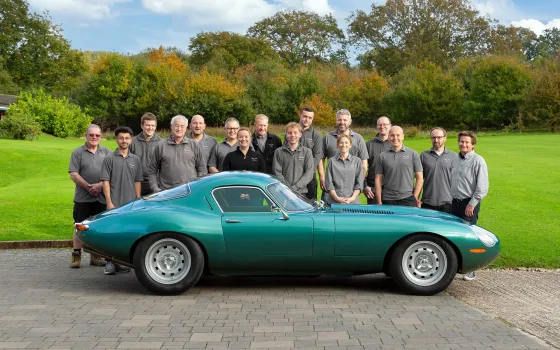
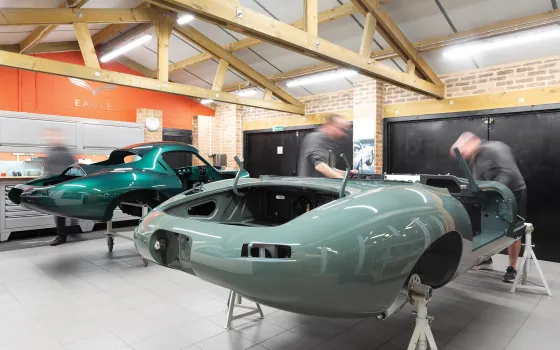
Eagle was established in 1984, the brainchild of Henry Pearman: “I’d loved E-types since I was a kid, watching the Milk Tray ads where one jumps a bridge.” The company decided to focus on what Henry calls “offering the perfect, restored E-type” after a customer requested one capable of performing well under any circumstances.
That first car was Eagle No 1, CCW’s test vehicle, and the blueprint from which 26 Eagle E-types have been created over the subsequent 16 years.
Interview from May 2010