
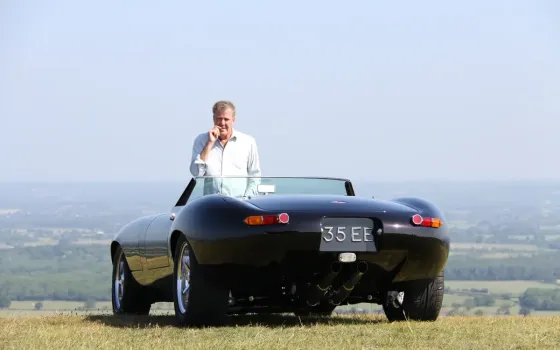


"I want an Eagle Lightweight GT. I want one so much that it keeps me awake at night."
Jeremy Clarkson reviews the Eagle Lightweight GT for the Sunday Times and is smitten.
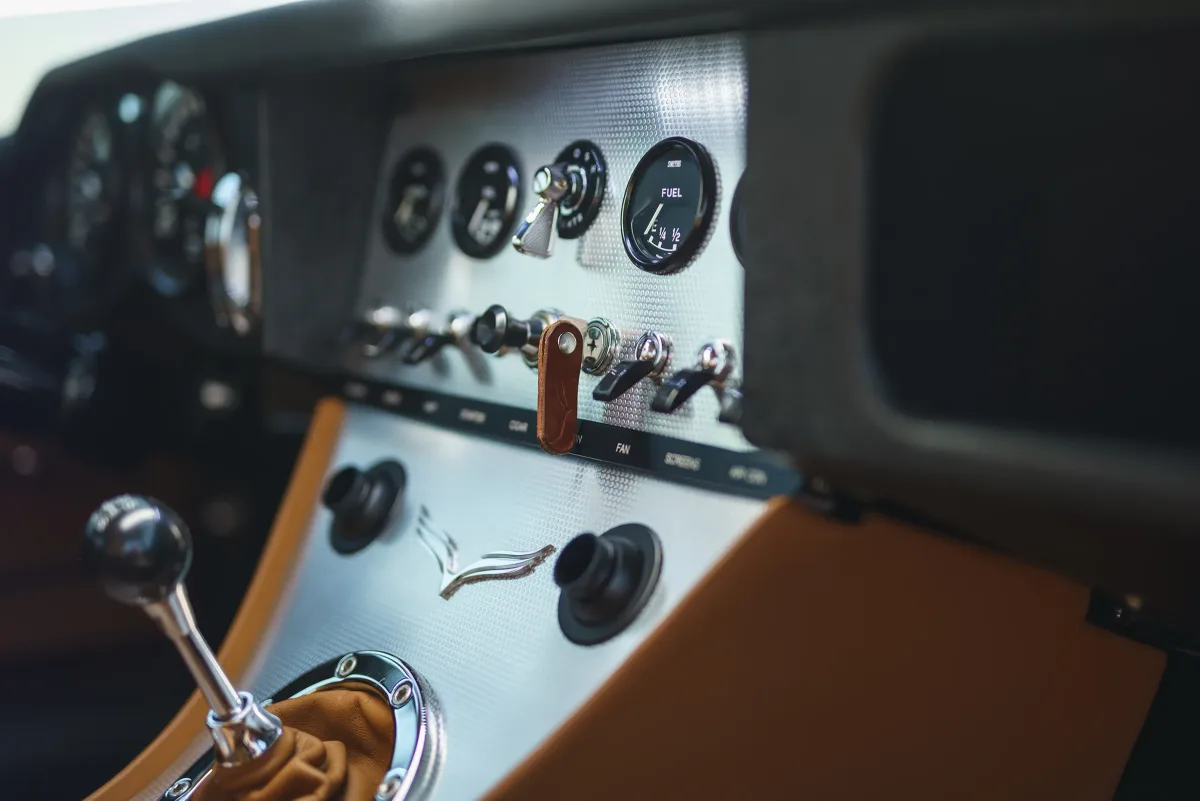
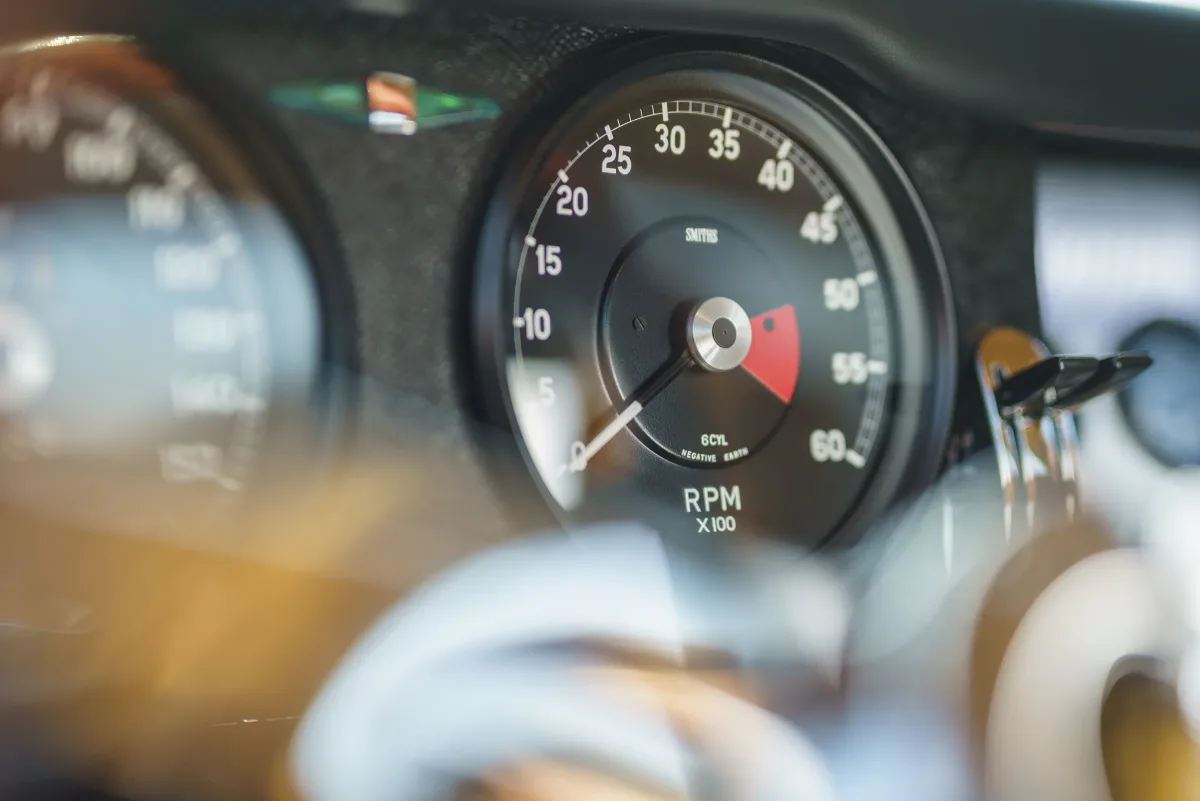
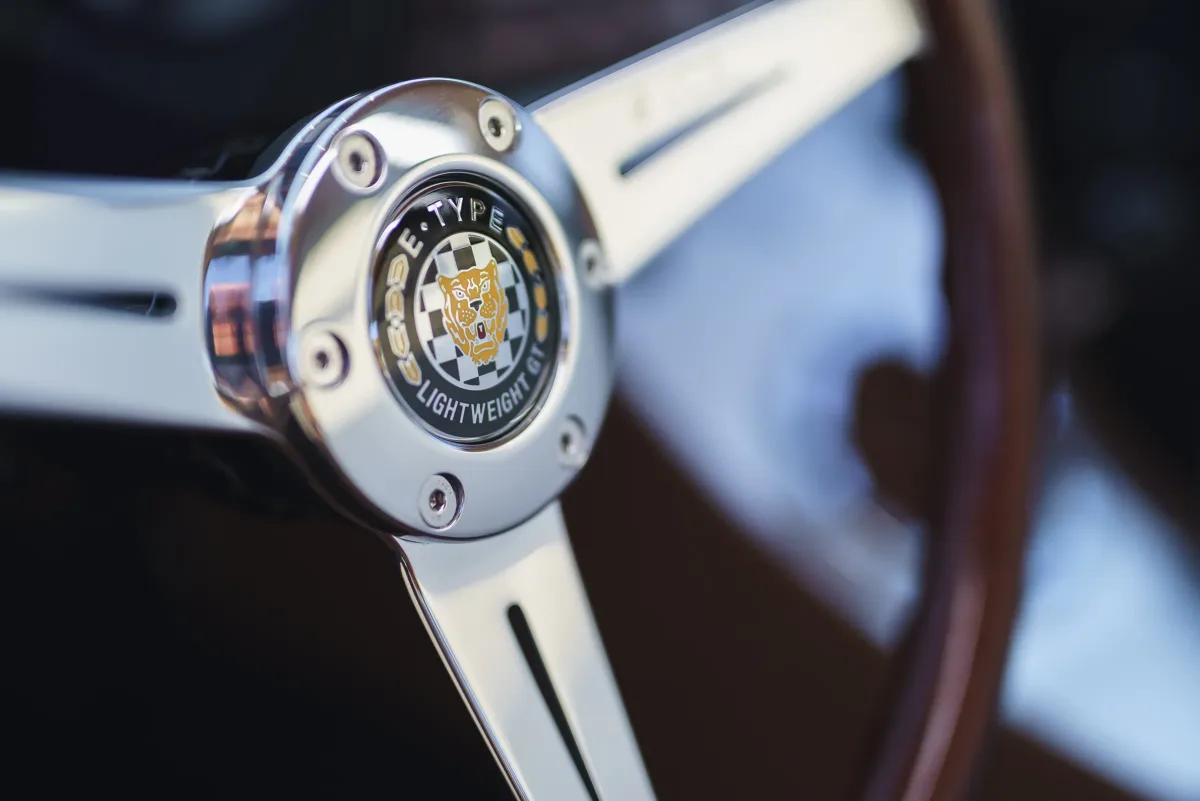
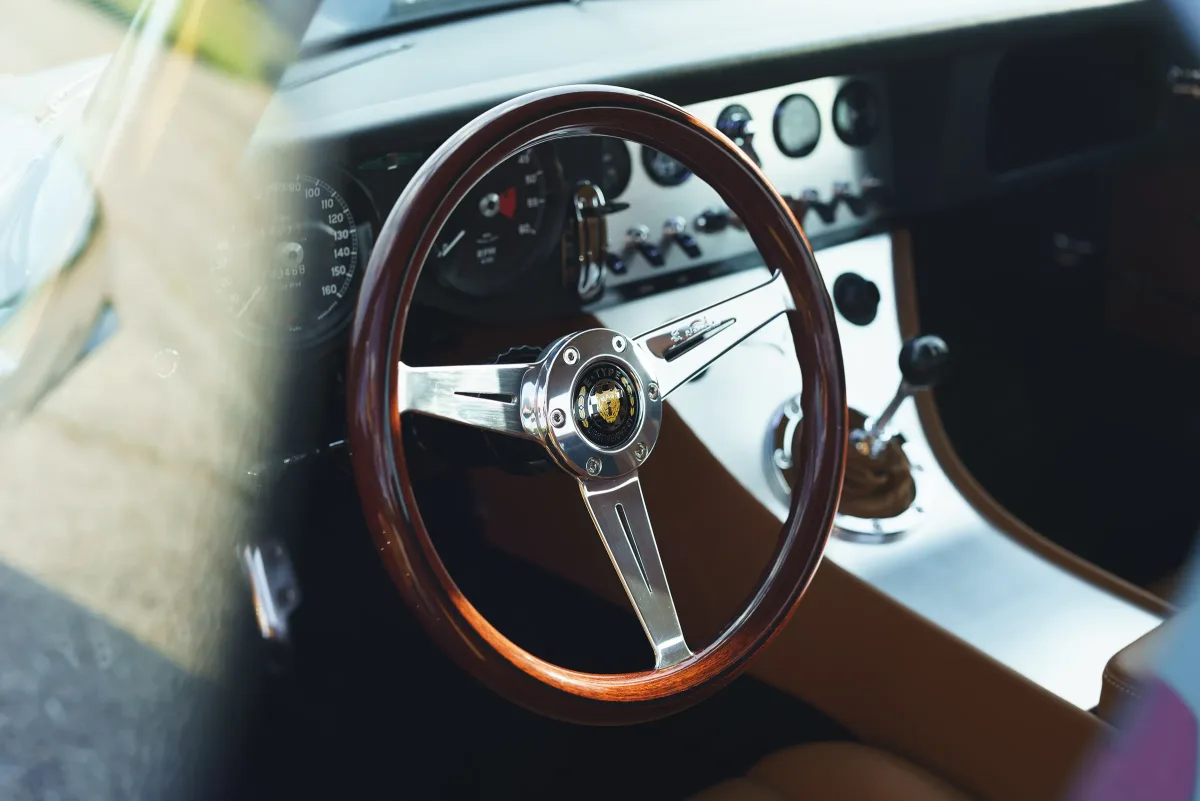
The interior is a labour of love. It is a thing of beauty. I just wanted to sit in there, for ever, touching stuff.
The soundtrack. And when you lift your foot up again and you get all those little crackles and pops — ooh, it does things to your hair.
Eagle Lightweight GT: a car that stops the world
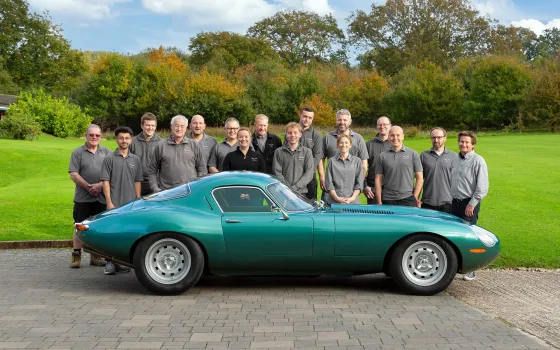
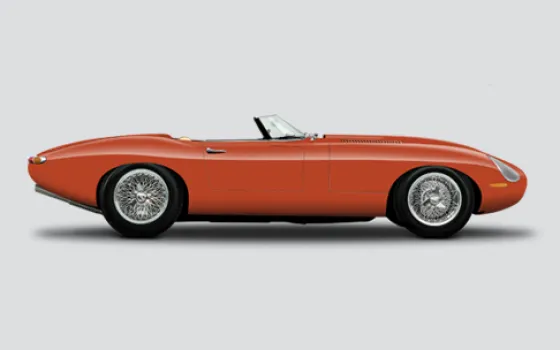
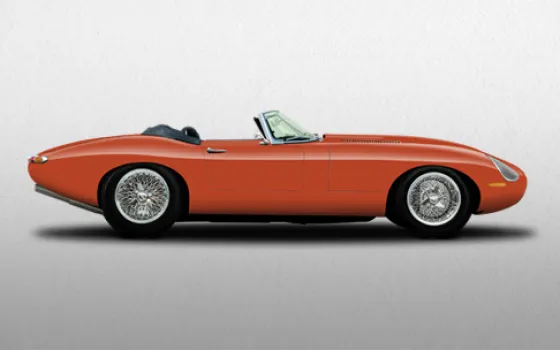
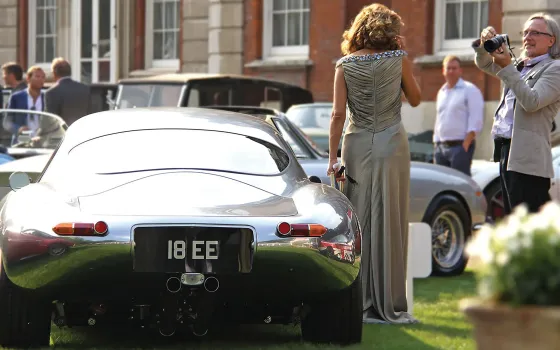
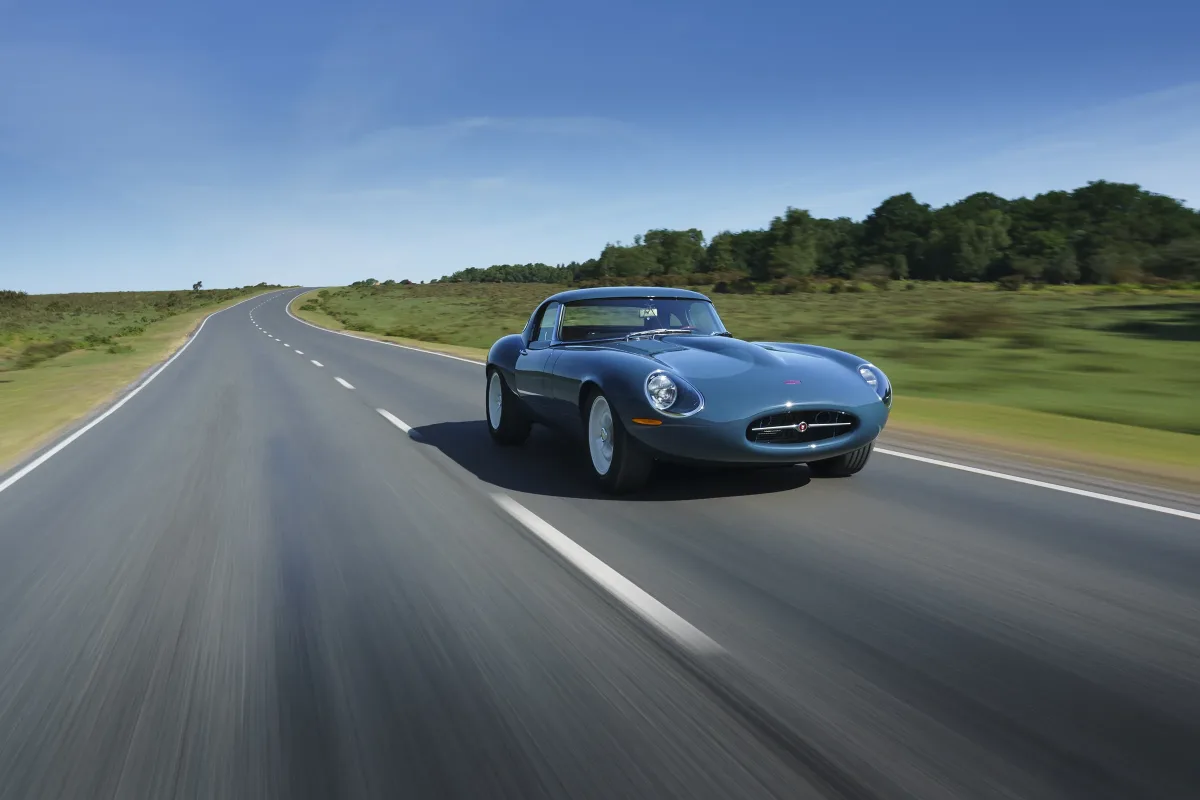
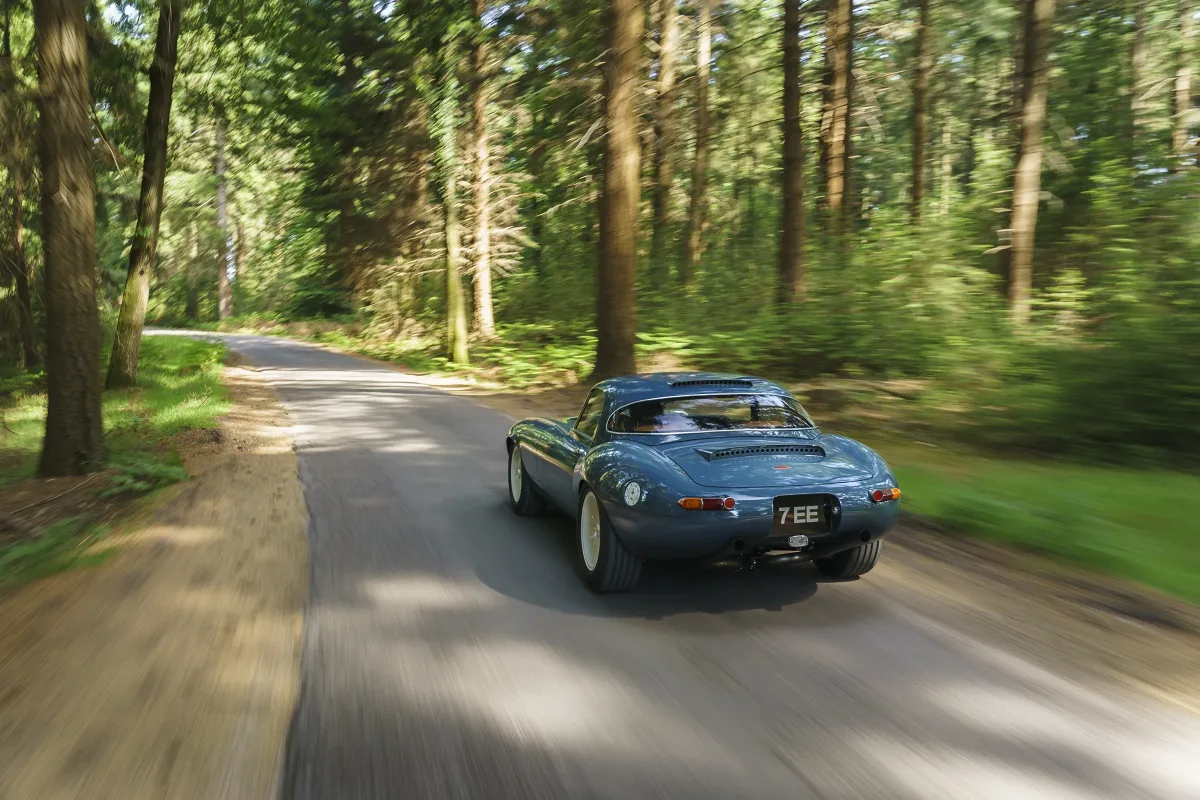
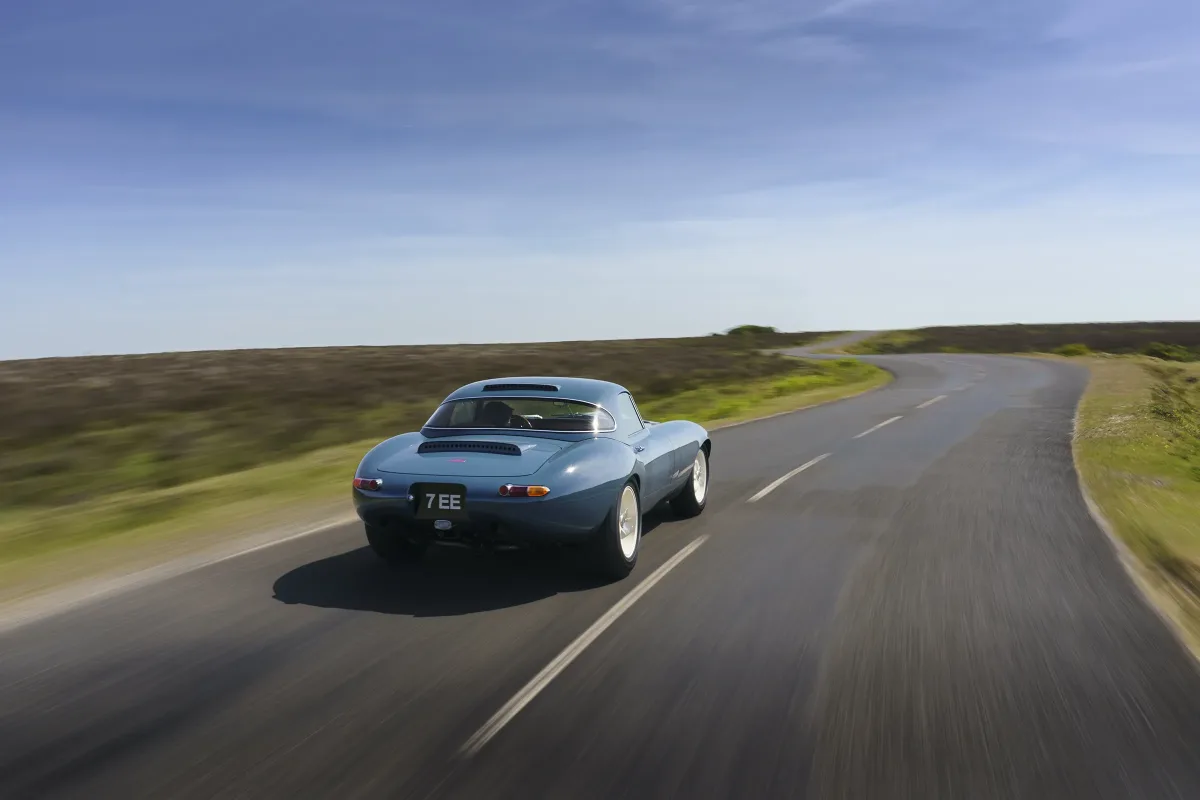
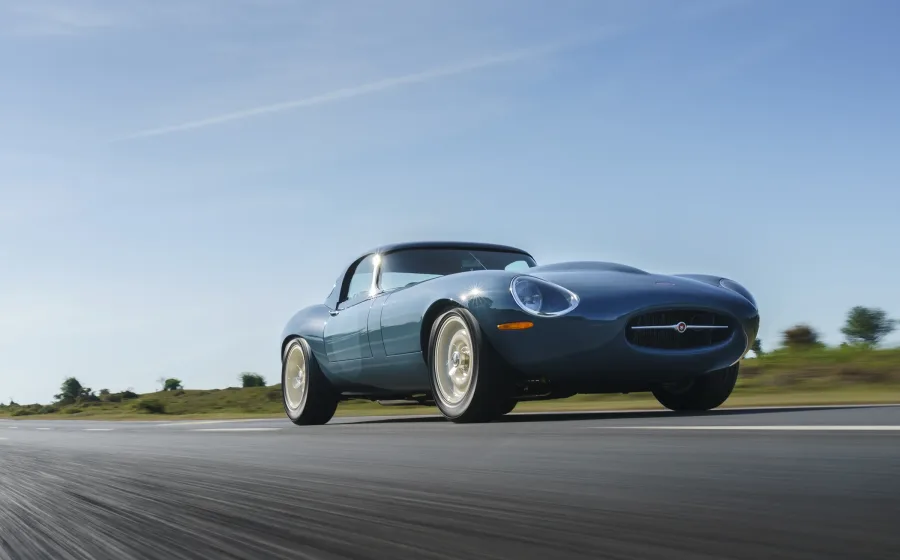
Eagle is best known for mild E-type tweaks, but occasionally it makes a car that stops the world. Remember the Speedster? The most beautiful thing made in all human history? That was one of Eagle’s. And now it’s done it again.
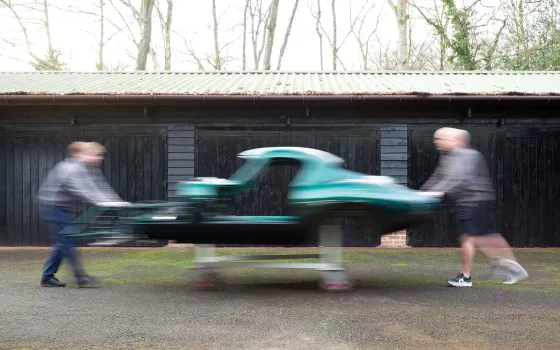
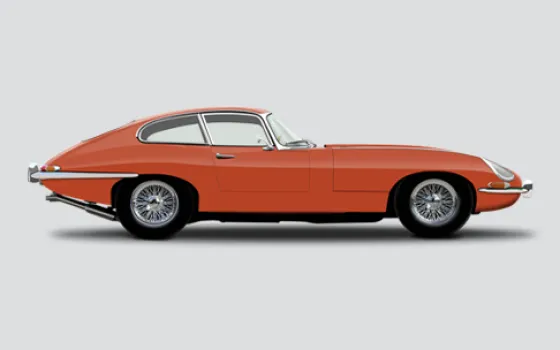
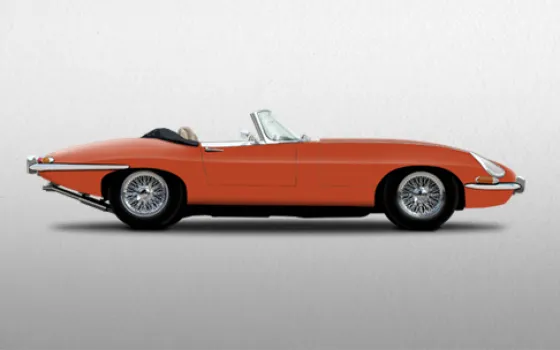
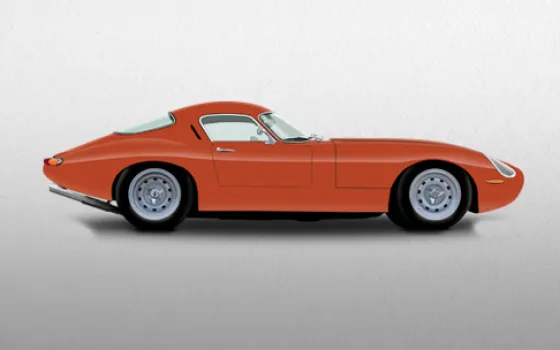
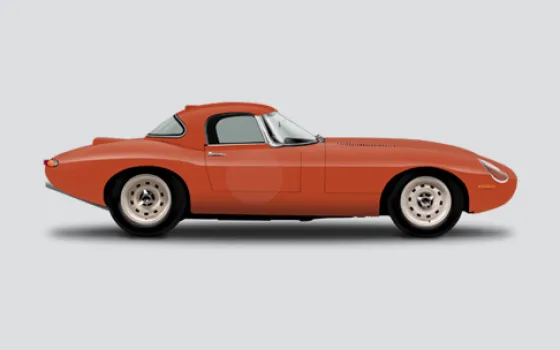
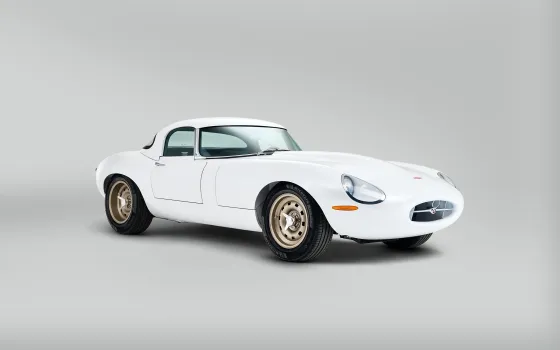
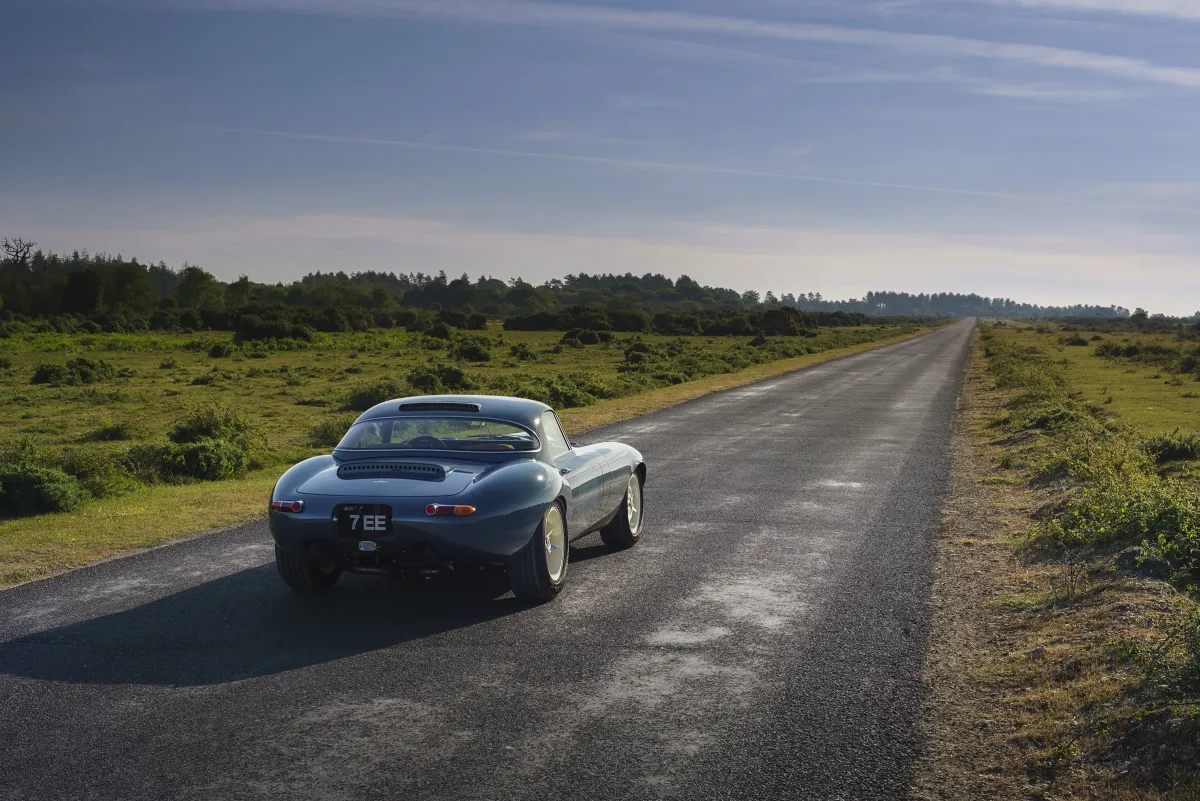
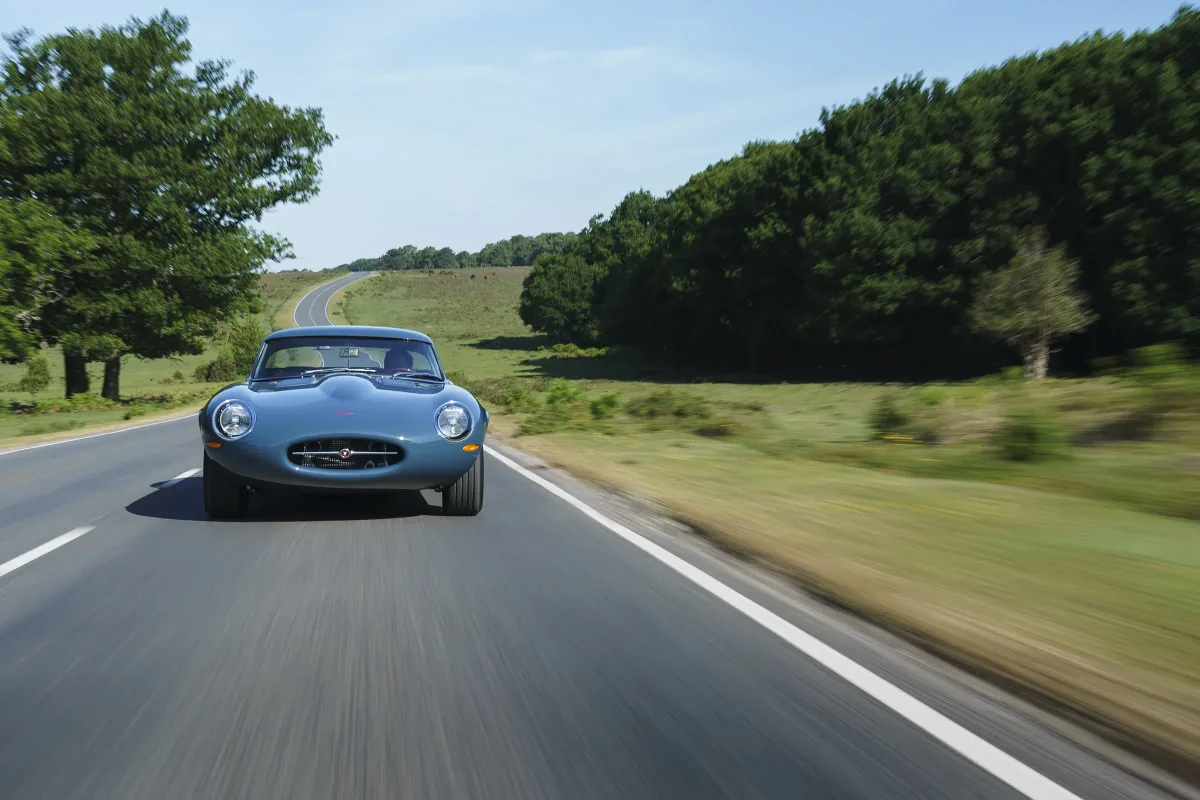
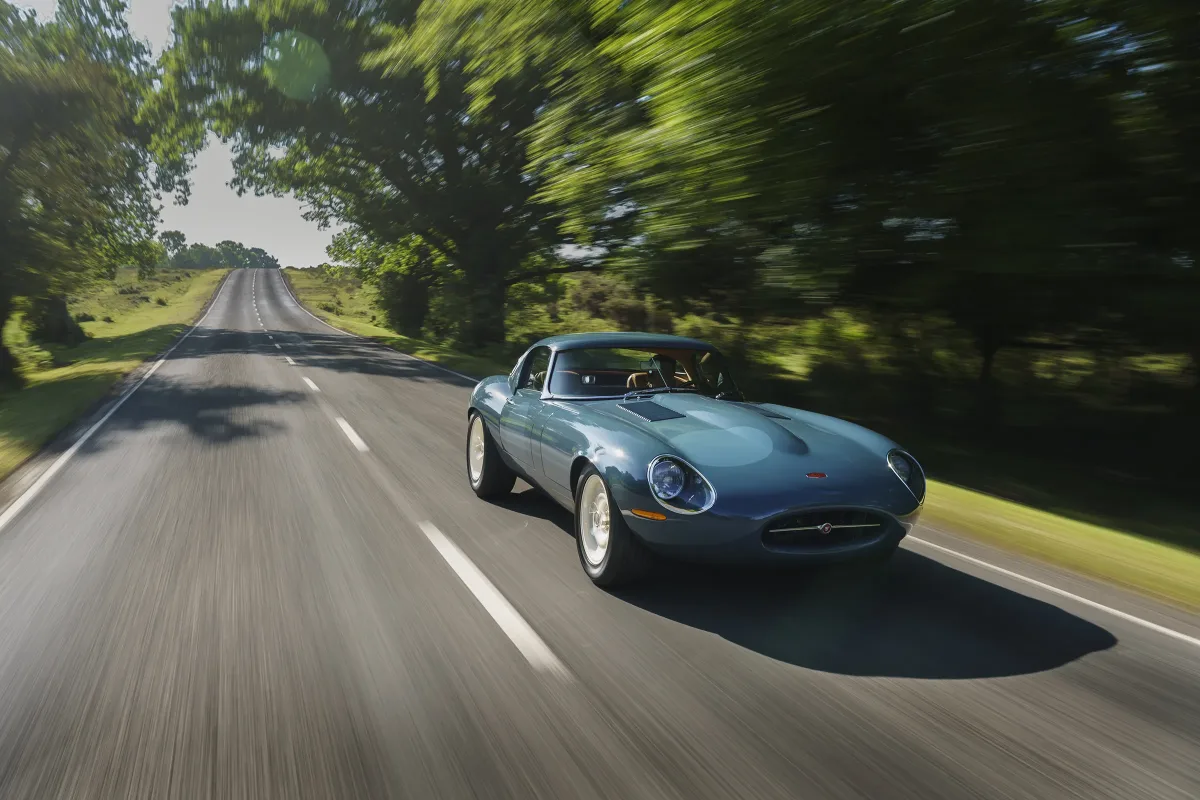
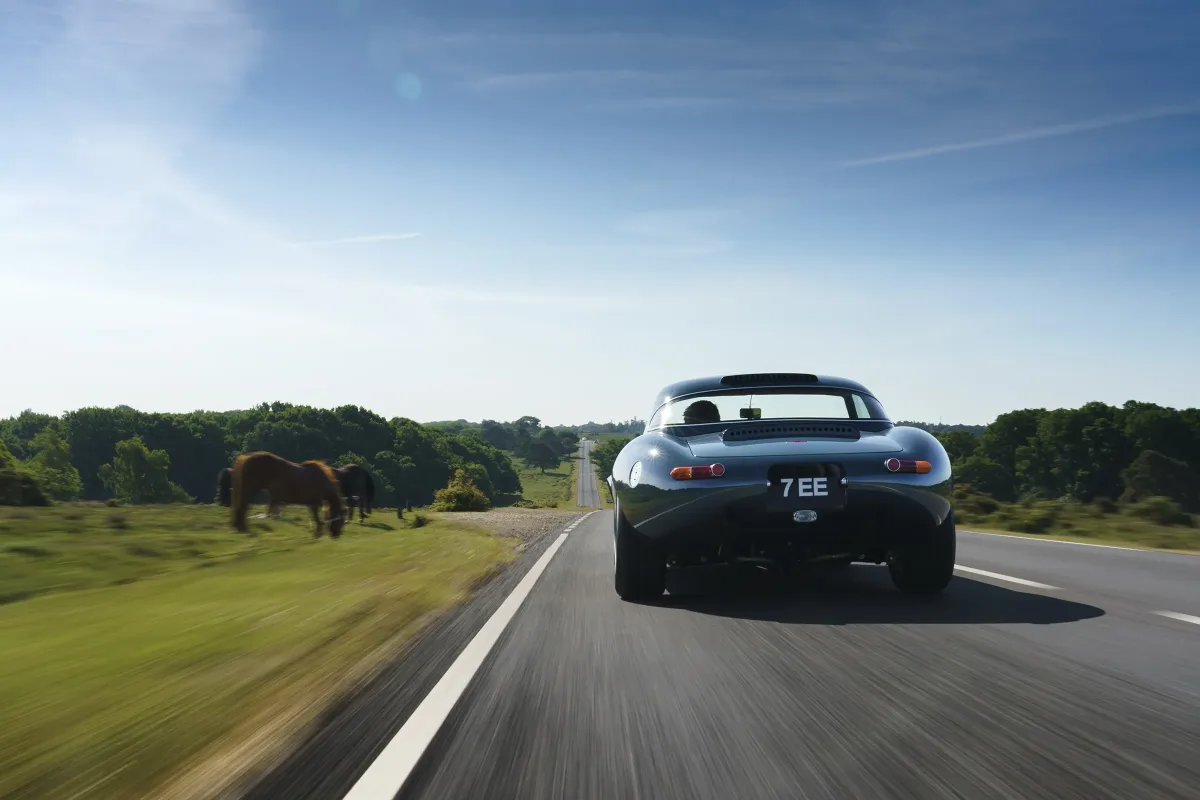
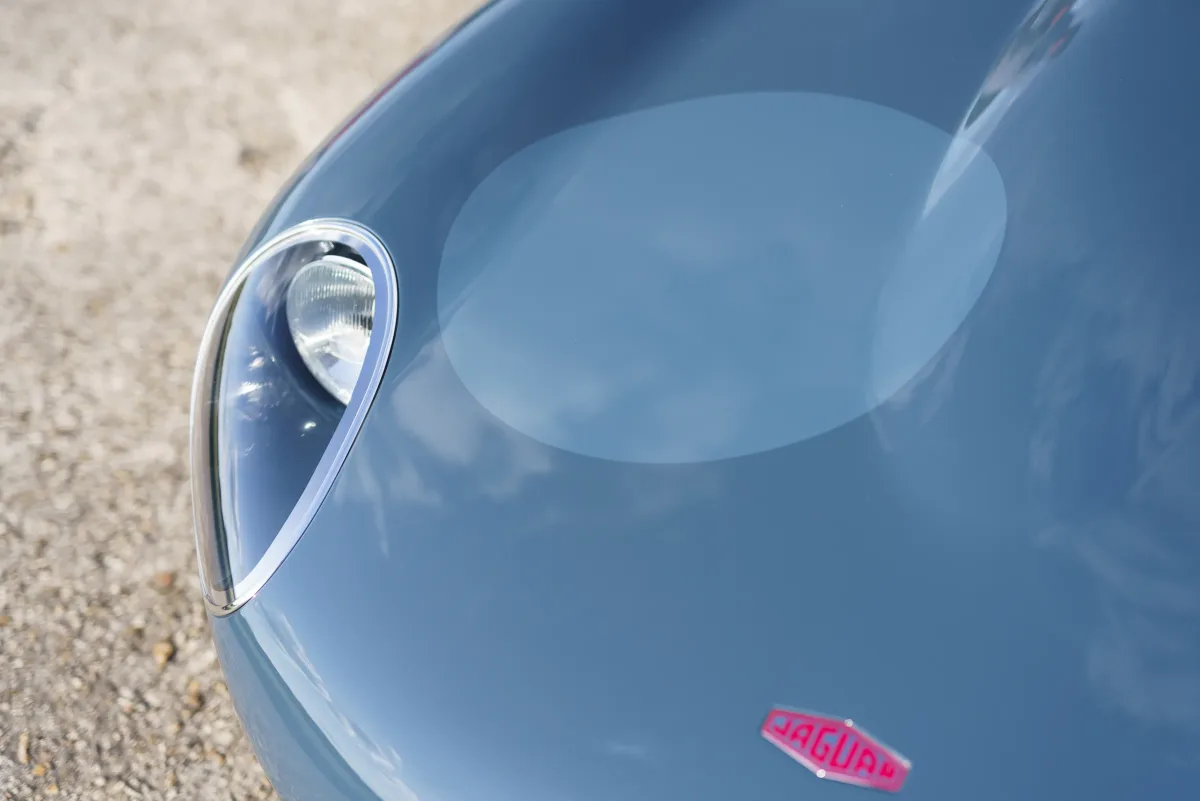
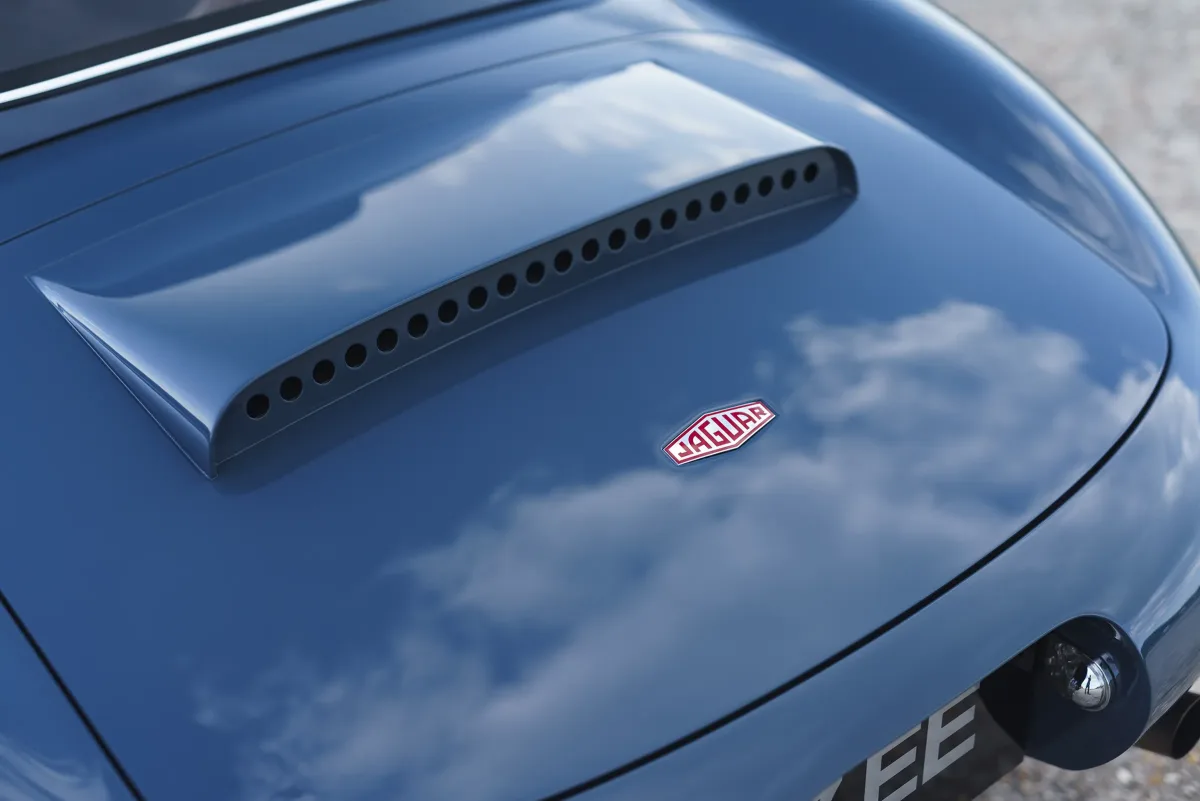
I’m not going to beat about the bush here. It costs close to a million pounds, and that’s a lot for a car that’s nearly 60 years old. But the truth is, it sort of isn’t. It’s actually about 60 minutes old. If you look carefully, you’ll note that the sills are lower, the indicators are flush, the doors are frameless and the windscreen is more raked than it was on the original 1963 E-type Lightweight.
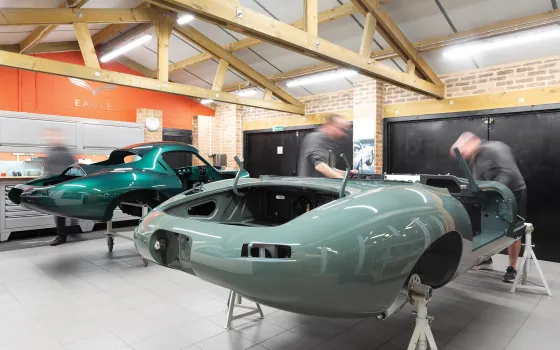
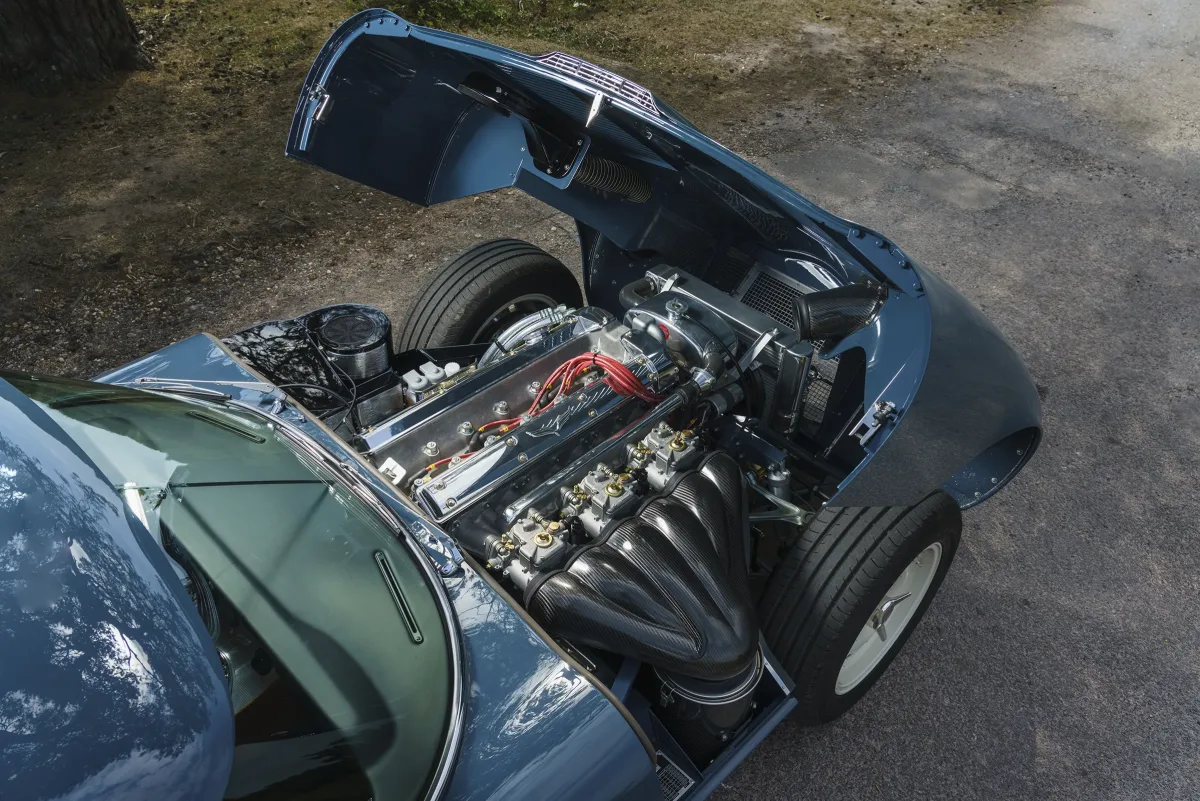
Under the bonnet it’s a straight-six, as you’d expect, but it’s a 4.7l unit, made by Eagle, from aluminium, with big valves and three Weber carburettors spoon- feeding the go juice. The result is 380 horsepowers, and it seems to me, having been half scared to death by the Taycan, that this is a more sensible amount. Especially as very little is wasted in lugging around unnecessary weight. In the Eagle Lightweight GT everything that can be made from magnesium is, and almost everything that can’t is titanium or aluminium. The result is a dry weight of 1,017kg — less than me, then.
You’d imagine that it feels like a stripped-out racer, but no. It’s called the GT because it’s a grand tourer, a leather-lined, air-conditioned long-distance cruiser. It’s nothing like the original racers and nothing like the “continuation” cars that Jaguar has made recently. It’s civilised, even by modern standards.
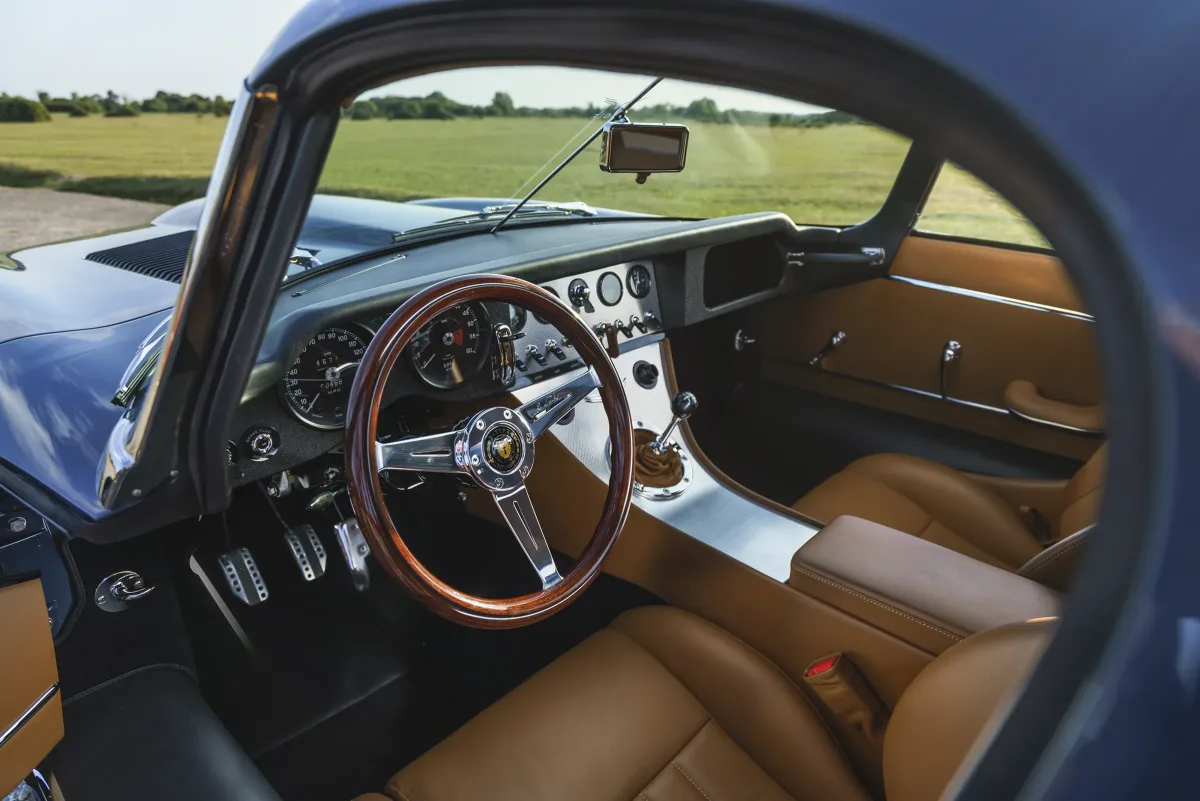
The interior is a labour of love. It is a thing of beauty.
Getting in is a bit of a faff, and getting out is harder, but that’s OK because I didn’t want to get out. I just wanted to sit in there, for ever, touching stuff.
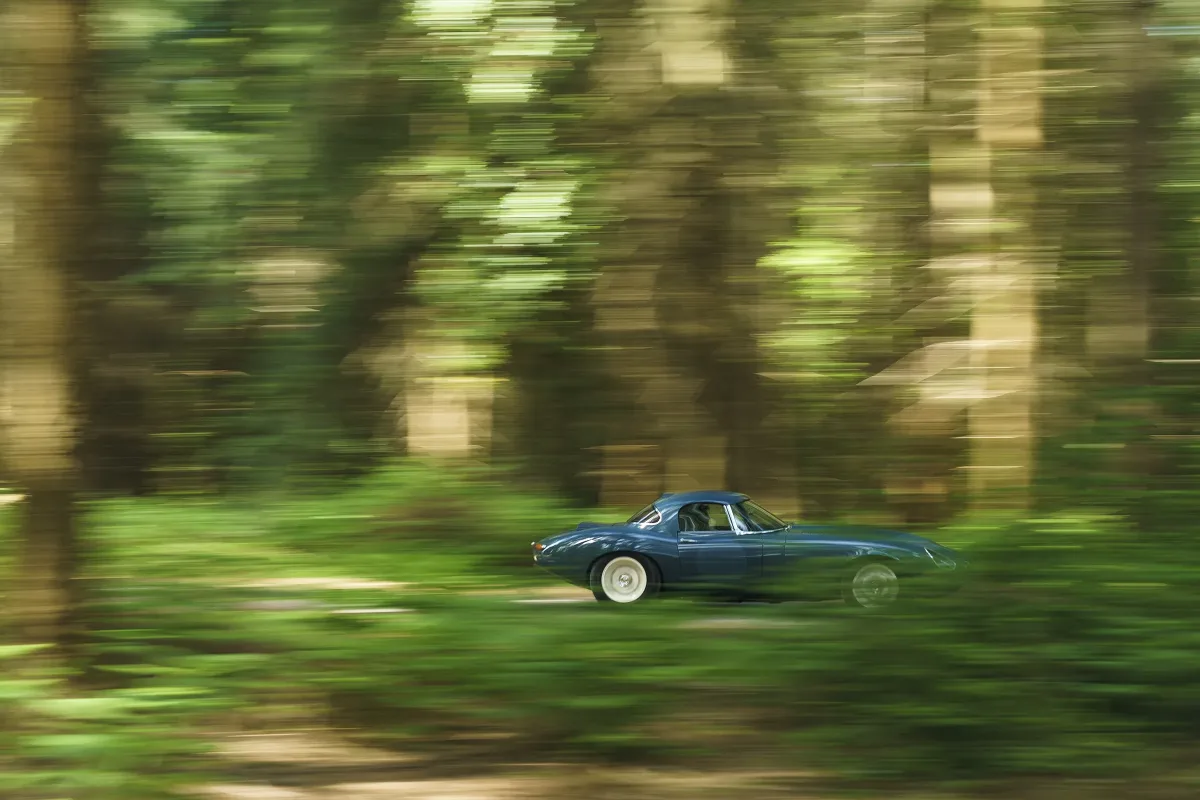
Or driving it. The twin-choke Webers are a bit hard to coax into life, but once they’ve cleared their throats, you get just the right amount of performance and just the right amount of grip, and you also get just the right amount of Tom Jones noises. God almighty, this thing sounds good.
Hammond argued recently that we car journalists will have to start thinking up new ways of describing the sounds an electric car makes, and I wish him all the best with that plan. Porsche has tried to tune the noises the Taycan makes but it still sounds like a milk float. They all do.
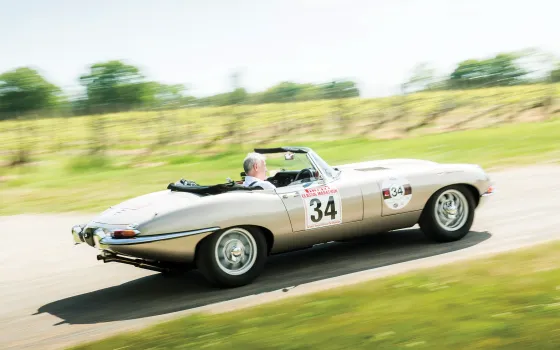
That’s why I’ll never buy an electric car. You can drone on as much as you like about how yours does a million miles between charges and how nothing but baby hedgehogs come out of its rear end, but when you put your foot down in a carb-fed straight-six, and that long bonnet rears up slightly, you know what’s missing from your motorised vacuum cleaner. The soundtrack. And when you lift your foot up again and you get all those little crackles and pops — ooh, it does things to your hair.
The only way you could achieve something similar with your Tesla or your Taycan is if you put your tongue on the battery terminal.